If you’re anything like me- essentially born with the soul of an 80-year-old-avid-birder-gandpa-type who just wants to sit in a rocking chair in the garden with a pair of binoculars all day, then this will be your favorite part.
In this section, I want you to get to know what kind of species you share this piece of land with. Which ones will have access to your future garden, and which can’t get to it? Are any threatened or at-risk that might need the extra help? Or maybe you just have a favorite species you want to attract?
To answer all these questions, I used iNaturalist . There is also an app, if you prefer that but there is more advanced search options on the website version! So please, create an account. You will undoubtedly become an enthusiastic citizen-scientist obsessively taking and uploading pictures of every species you find in no time- Or is that just me?
FIRST– getting started
Sign in and hit that explore button!
SECOND– identify at-risk species
zoom into your general area and make a filtered search for wild species in your area that can realistically visit your garden space. In order to figure out what kinds of plants and habitats are most needed, you can specify to only display threatened species, since these are the ones that are more heavily effected by habitat decline, fragmentation, etc.
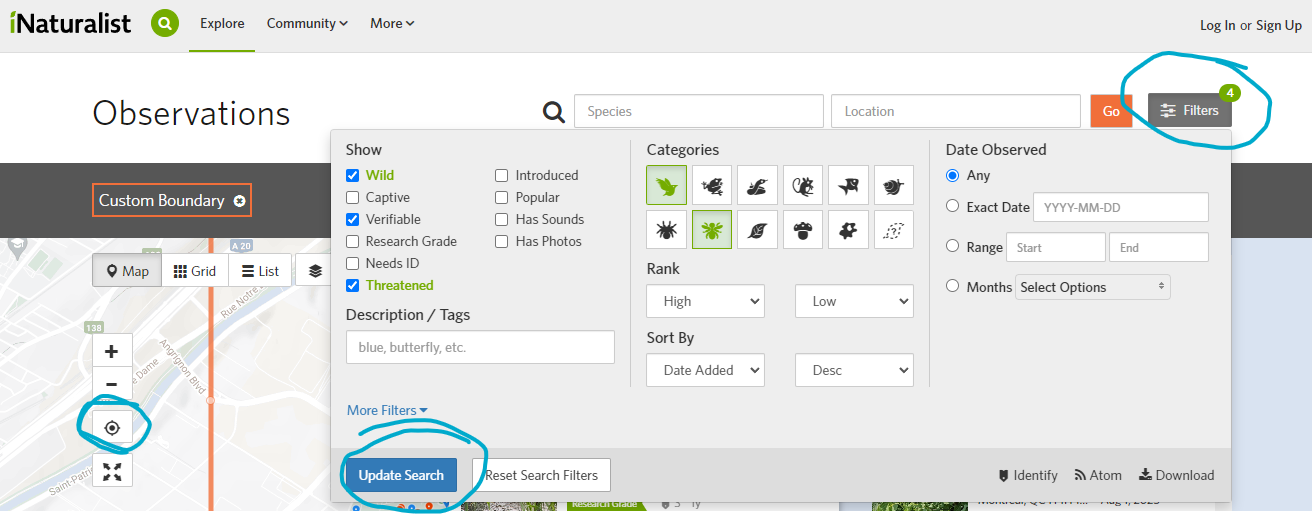
Now, I might live near a canal, but it’s highly unlikely any fish, amphibians, mammals, or reptiles will make it up to my second-story balcony, so I excluded them from the search parameters, and selected the option to search for threatened species as well.
shockingly, there are 30 threatened species of birds and insects in my area!
THIRD– get to know their needs
This list of threatened species should be seen as a “goal list”, click on each one to read about them in more detail, and see what you can implement in your space that might provide them with habitat and/or provisional requirements.
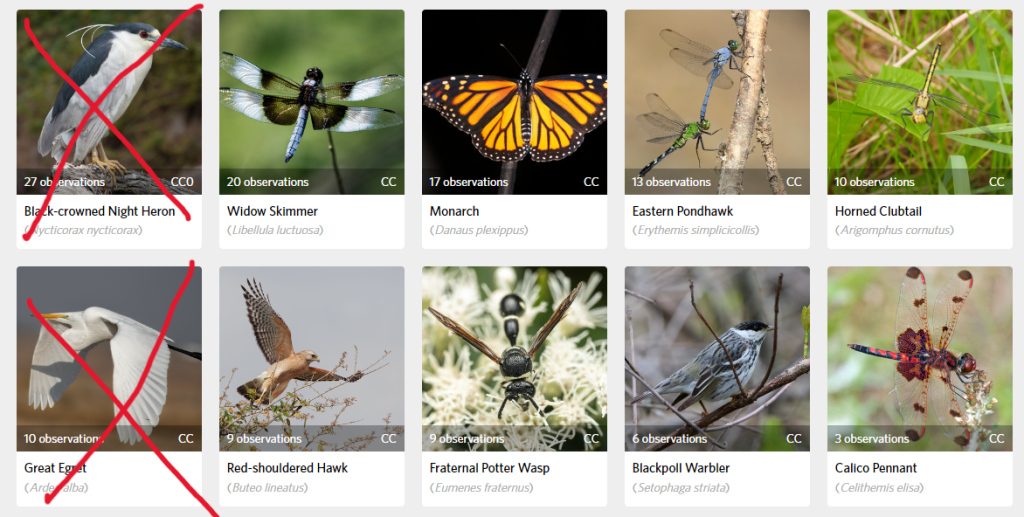
For my list, I looked at the 30 species listed to see if any had specific plant requirements I could fulfill, as well as crossed some species off that I am unlikely to see, which we will discuss below.

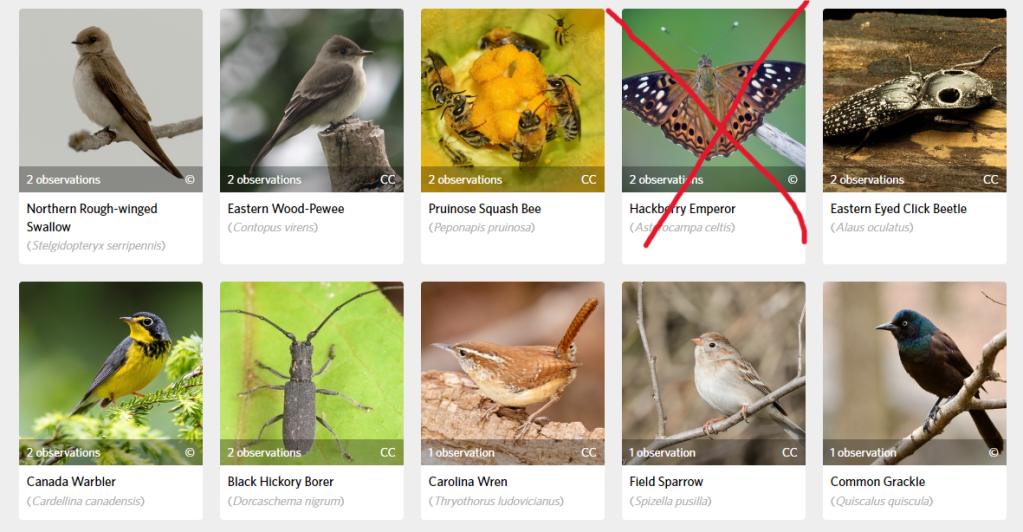
- The Hackberry Emperor– dependent on the hackberry tree, which I cannot realistically grow on a balcony.
- Black-Crowned Night Heron- remains closer to the water than I live, and feeds on fish & amphibians.
- Great Egret– also remains closer to the water and feeds on fish and amphibians.
These three species are unlikely to visit my garden, but I can hope to spot them flying over on their way to the canal, or on the hunt for a hackberry tree.
As for the rest, I visited each one individually to see if they had any specific plant species needs that I might be able to grow. I came up with two needing special requirements:
The Monarch Butterfly
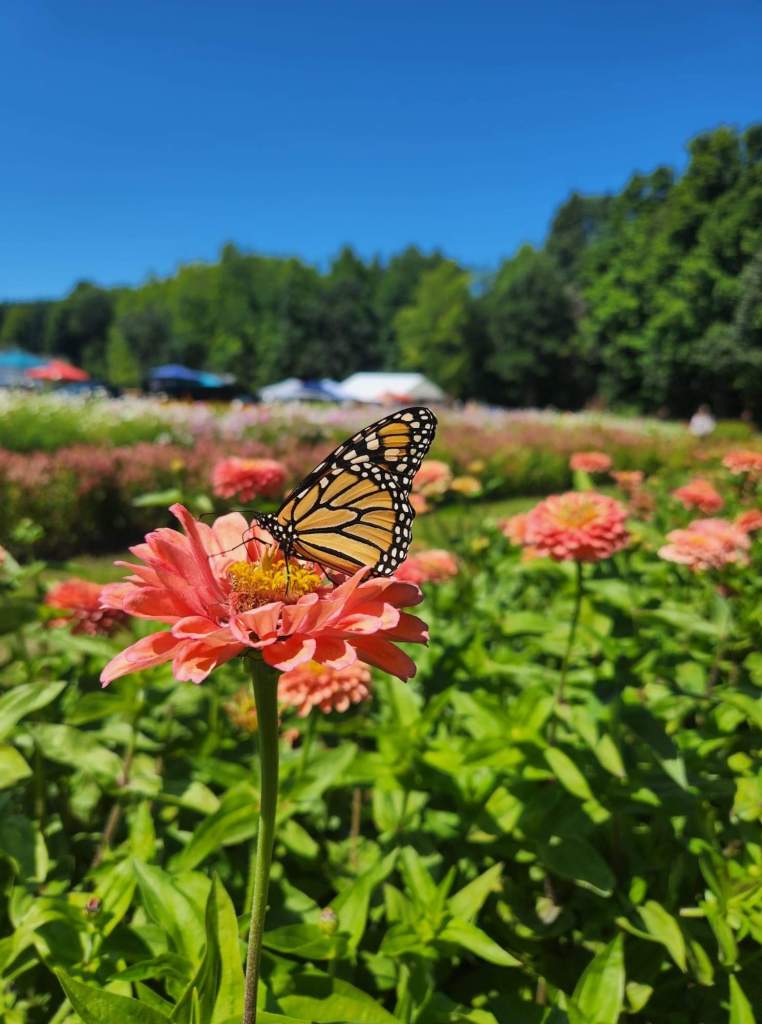
- Exclusively dependent on their larval host plant Milkweed, which serves as food for monarch caterpillars.
- Avoid planting Tropical Milkweed, as it might affect their migratory development1.
- Instead, here’s four varieties native to Southern Quebec: Common Milkweed, Swamp Milkweed, Poke Milkweed, and Butterfly Milkweed2.
- In their adult stage (as butterflies), the monarchs will feed on the nectar of many flowering plant species, and serve as important pollinators.
The Pruinose Squash Bee
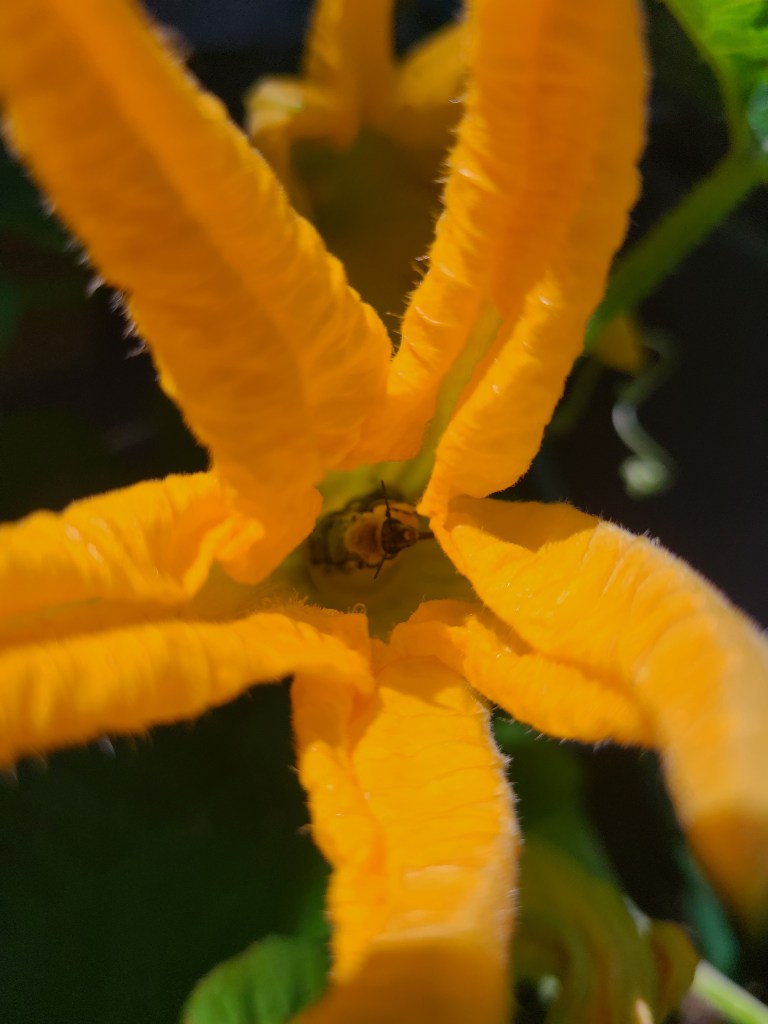
- A specialist species that depend entirely on Cucurbita plants (pumpkins, gourds, and squash)3.
- They nest in the ground, making them vulnerable to tilling, fertilizers and pesticide poisoning– another reason to avoid these kinds of practices.
- They sometimes sleep inside the flowers when they close- the cutest fact I’ve ever read!
- They’re important to Indigenous cultures, who practice the three sisters method of gardening. They provide habitat and provisional resources for the bees, who in turn pollinate their crops4.
As for the other more generalist species, here is what I made note of for my own list:
- All the listed dragonfly species depend on still water and insects
- All birds listed are insectivores, or eat a combination of insects and berries/fruit and/or seeds.
- The exception to the bird list above is the Red Shouldered Hawk, a predatory species that eats small mammals, amphibians, and reptiles, and we are therefore less likely to attract, but they might visit to perch on the balcony waiting for prey (fingers crossed!) and the Common Grackle, a species of omnivores that will eat just about anything (insects, berries, seeds, eggs, grain, even frogs and rodents!).
- The Bumblebee and Potter Wasp both require nectar and pollen producing plants, and still shallow water.
FOUR– get planning!
Look back at that plant list you made and see if any can fulfill these requirements. Since we have limited space in city gardens, I would suggest prioritizing specialist species, and plant to cater to their needs. Why? Because the plants they require can still serve generalist species, so you are creating less exclusion!
For my own list, I will prioritize milkweed and squash, then I will also try to ensure I have a variety of everything else. At least one berry producing species, at least one seed producing species, and lots of flowering plants that produce pollen and nectar for the pollinators (attracting pollinators will also help the local birds since they are their food source – circle of life!)
With all this in mind, start fine tuning that plant species list!
- Do you have the light requirements to plant any of the species needed for the specialists?
- How many plants can you realistically grow in your space?
- Do you have a shallow bowl of water you can leave out? If you do, just make sure those insects you’re trying to help won’t drown in it by placing stones inside for them to rest on while they drink, and sticks to help them crawl out if needed (if the sides of the bowl aren’t slanted)
Once that garden starts growing, take a look back at this list of threatened species. Make note of how many visit and take a moment to do a little happy dance for doing your part to promote biodiversity!
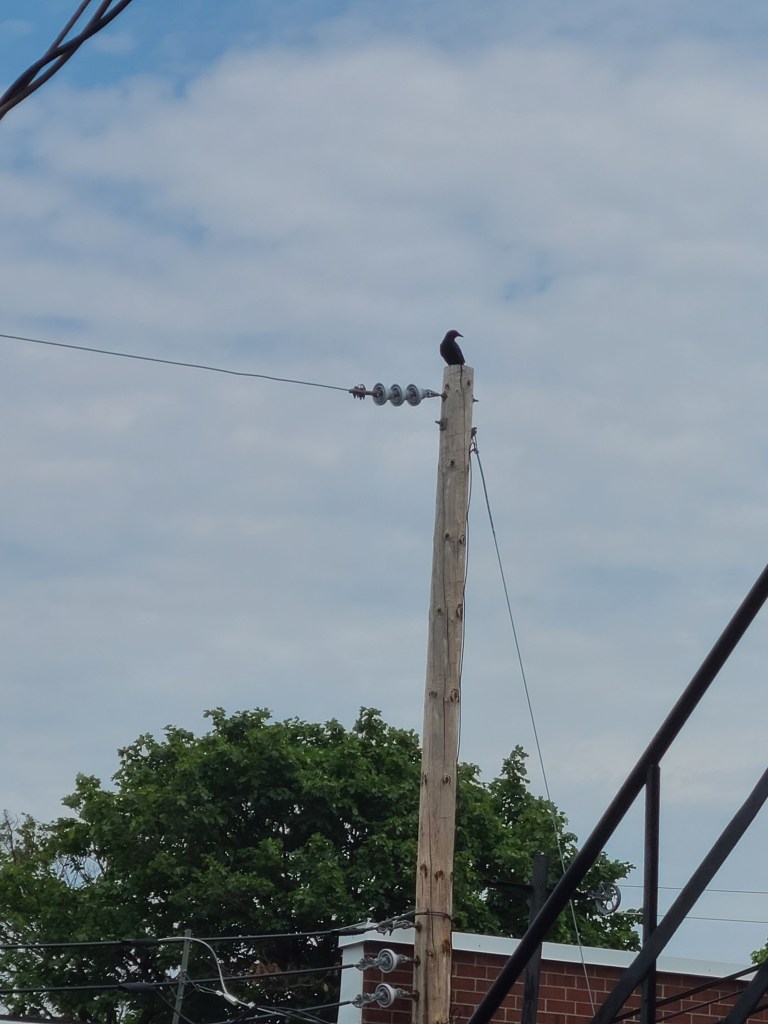
Ok- bye! I’m off to dream up ways to befriend this Corvid that spent most of last summer silently judging me from his perch in the alley behind my apartment.
 Amanda Gregoire
Leave a comment