Exploring Bat Diversity in a Formal vs. an Informal Green Space
Echoes of the Night is a research project exploring bat biodiversity in Montreal’s green spaces using bioacoustic monitoring. By analyzing bat call recordings from both a formal park and an informal wetland site, the project investigates how habitat types influence bat activity and species presence. This work highlights the vital role urban greenspaces play in supporting biodiversity and emphasizes the importance of preserving these ecosystems for both wildlife and communities.
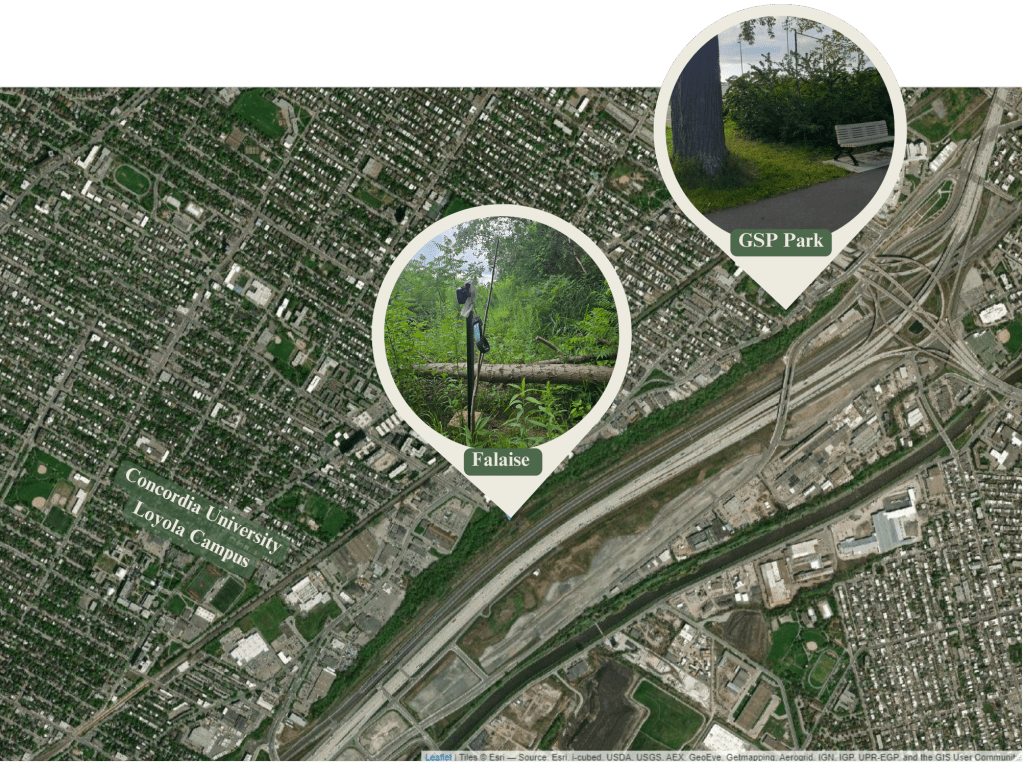
Falaise Saint-Jacques
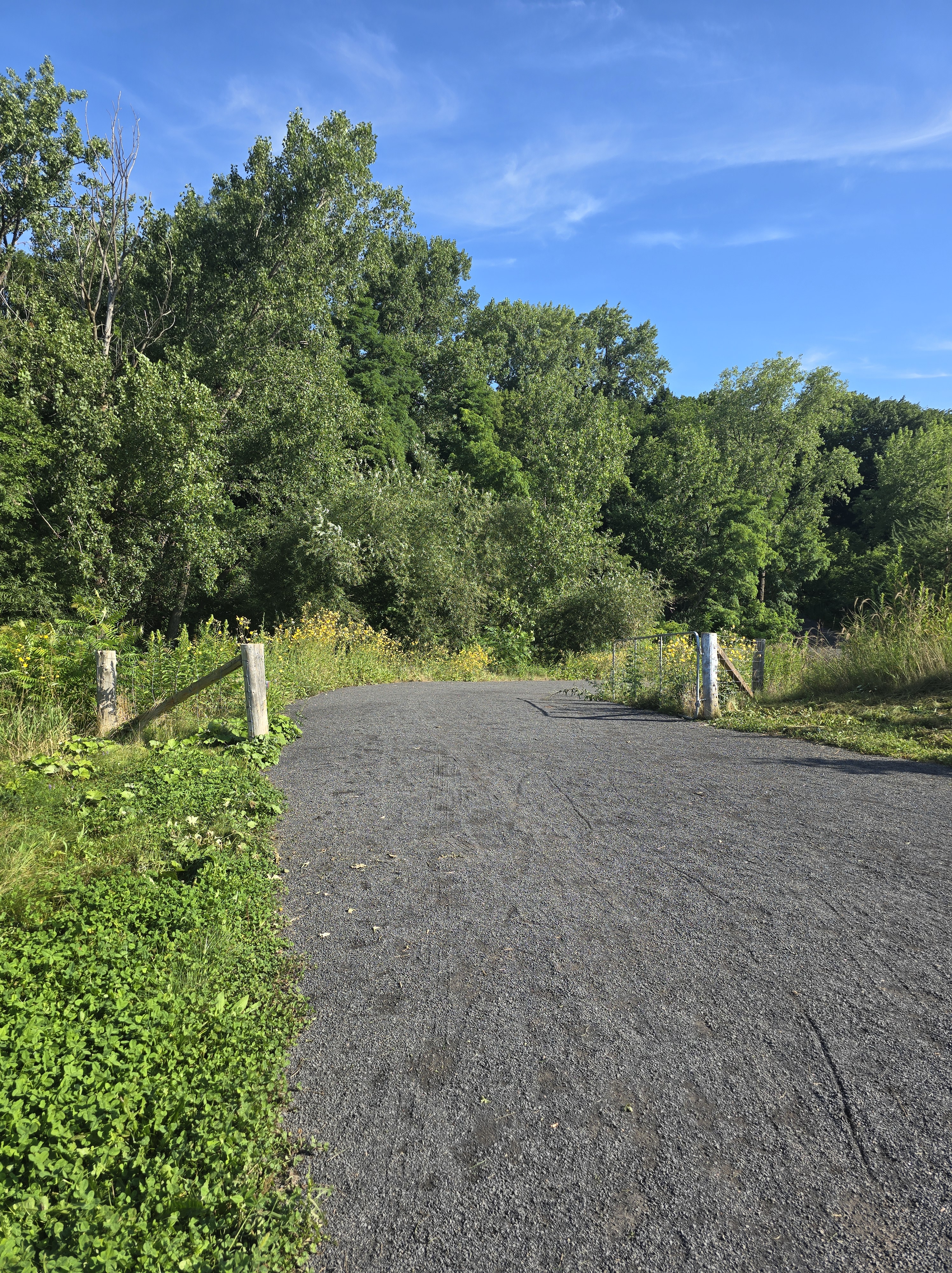
The Falaise Saint-Jacques, named after the French word for “cliff,” is a unique urban greenspace located between Highway 20 and Rue Saint-Jacques in Montreal. Once used as a dumping site for industrial waste, the area has undergone a remarkable transformation thanks to dedicated local citizens who advocated for its rehabilitation. While the city planted some vegetation to support the site’s recovery, much of the space has since been left to rewild. Today, the Falaise thrives as a more naturalized urban habitat, maintained by community members who recognize its value and the essential ecosystem services it provides.
Parc George Saint-Pierre
Parc George-Saint-Pierre is a formal urban park in Montreal, with manicured lawns, sports facilities, and higher levels of human activity. While it may seem less hospitable to wildlife at first glance, this park still offers valuable habitat for adaptable species. Studying this site allowed for a comparison between structured park environments and more naturalized greenspaces like the Falaise Saint-Jacques.
Introduction
Echoes of the Night is a research project that investigates bat biodiversity in Montreal’s urban greenspaces using bioacoustic monitoring. The study compares two distinct sites: the Falaise Saint-Jacques, a rewilded informal greenspace, and Parc George-Saint-Pierre, a structured urban park. By analyzing bat call recordings from these locations, the project explores how habitat type influences bat activity and species presence.
Using AudioMoth sensors, bat echolocation calls were recorded during peak activity periods (dusk to dawn) across 23 nights. These recordings were then analyzed using Kaleidoscope Pro software, which classifies bat species based on their unique echolocation patterns. This analysis focused on understanding differences in species composition and call frequency between the two sites.
Why Does It Matter?
- Bats play a crucial role in ecosystems as insect regulators and biodiversity indicators.
- Urbanization and land use changes impact habitat availability and foraging behavior.
- Understanding how different greenspace types support bat populations can help inform future conservation strategies.
The project highlights the importance of both managed parks and wilder, community-maintained spaces in supporting urban biodiversity, emphasizing the value of diverse greenspace strategies in sustaining local wildlife populations.
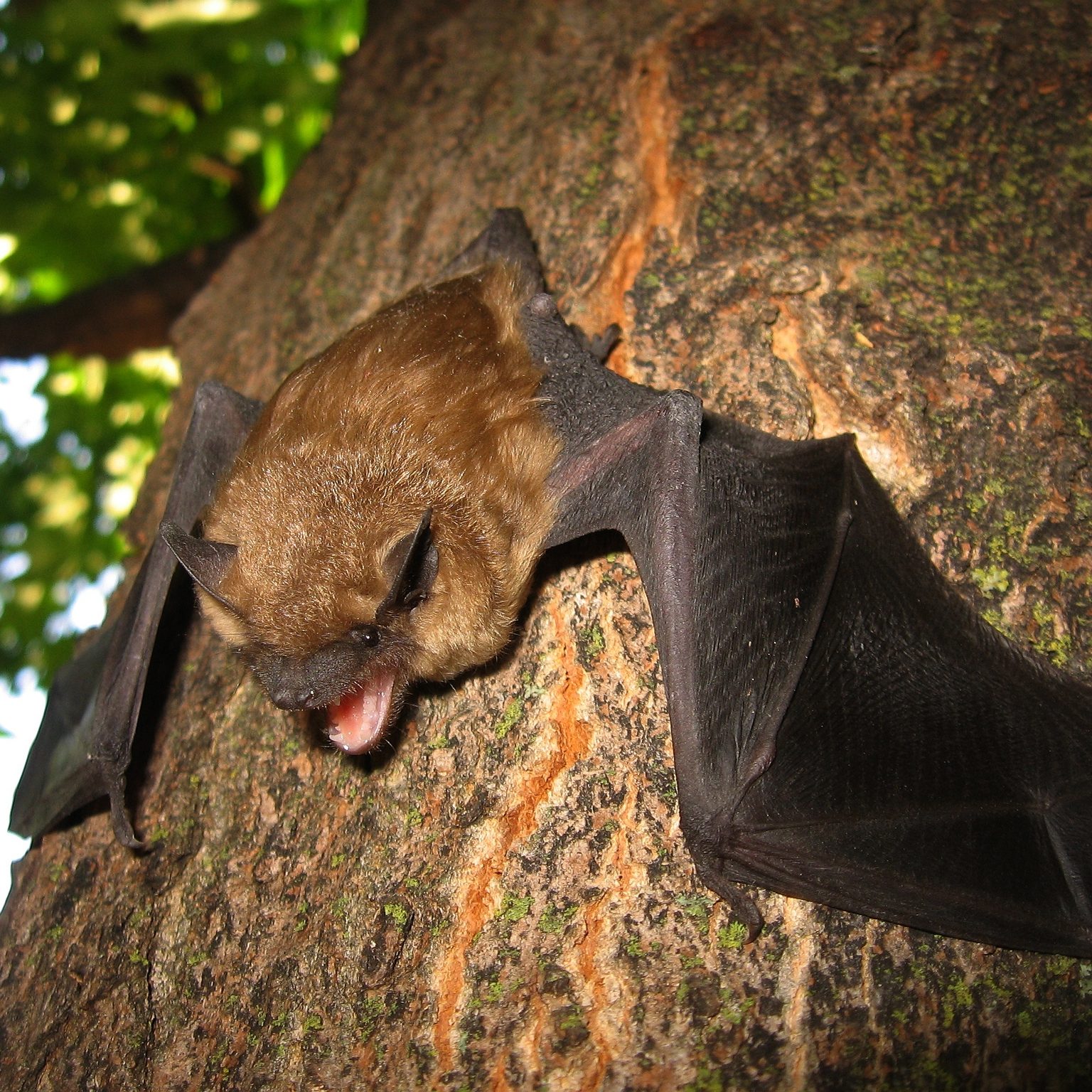
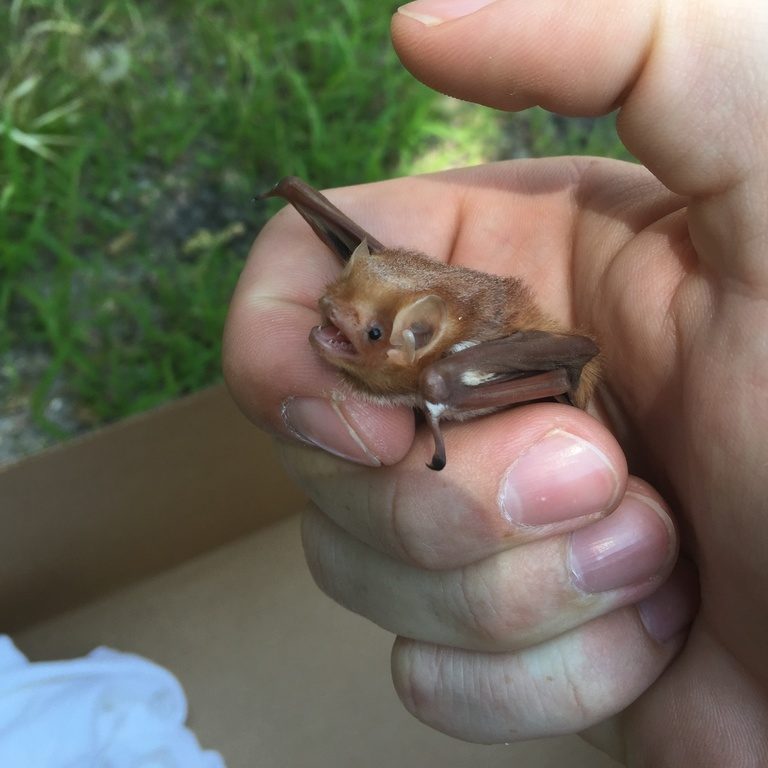
Bat photos thanks to:
Brett & Jason Headley
inaturalist.org/people/nebraskanaturalist
inaturalist.org/people/jasonheadley


Method
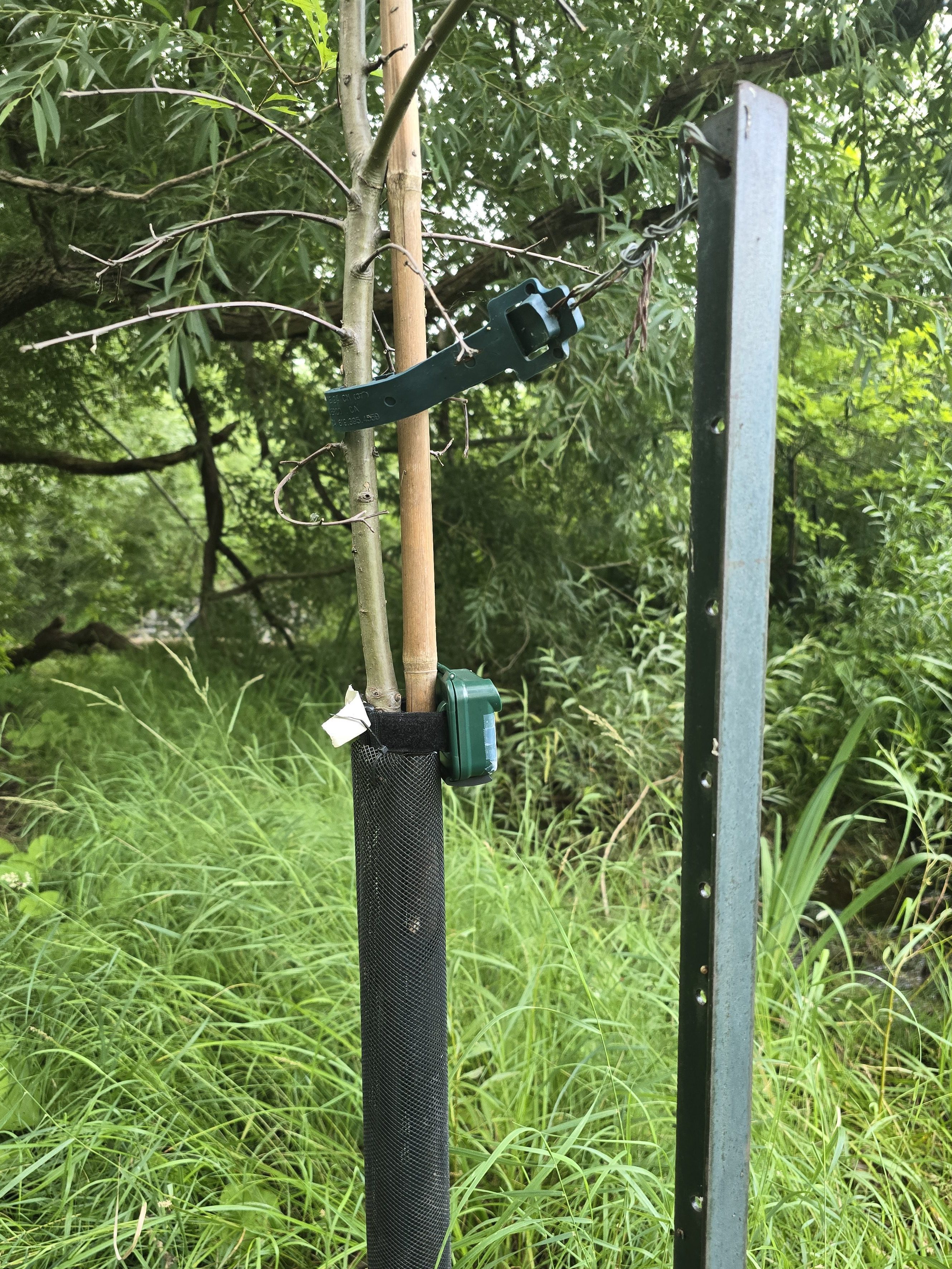
AudioMoth sensors were set up at both the Falaise Saint-Jacques and Parc George-Saint-Pierre sites. These devices were programmed to sample at 192kHz so it can record higher frequency sounds of 96kHz, and were set to record from dusk to dawn every night. The sensors were left up for six weeks, and the team aimed to change batteries and SD cards twice a week. However, due to occasional challenges in field maintenance, such as depleted batteries and delays in swapping out memory cards before they reached capacity, and some technical errors such as corrupted SD cards, rain damage, and incorrect calibration, data was only successfully recorded for a total of 23 paired nights.
Call Analysis
Recorded calls were analyzed using Kaleidoscope Pro software, which identifies bat species by recognizing their unique echolocation patterns. The calls were then verified manually, and recordings the program filtered out as “noise” were checked to ensure no identifiable species were left out of the study.
Most Frequently Identified Species:
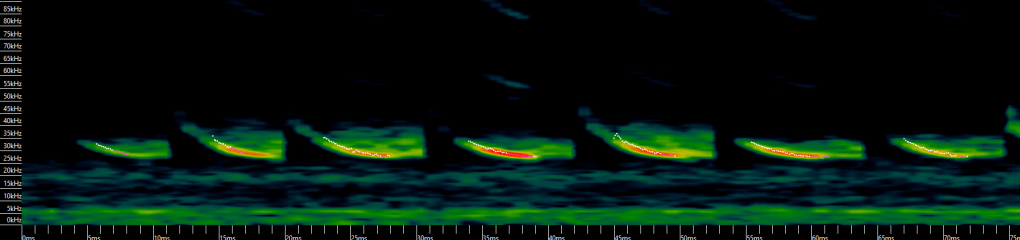
The Big Brown Bat (Eptesicus fuscus) — A common, low-frequency calling bat.
- calls between 20-30kHz
- key identifier: base of the calls produce a very stead, flat pattern. If a line is drawn at the bottom of the calls, they would all be touching the line.
- found exclusively in the Falaise
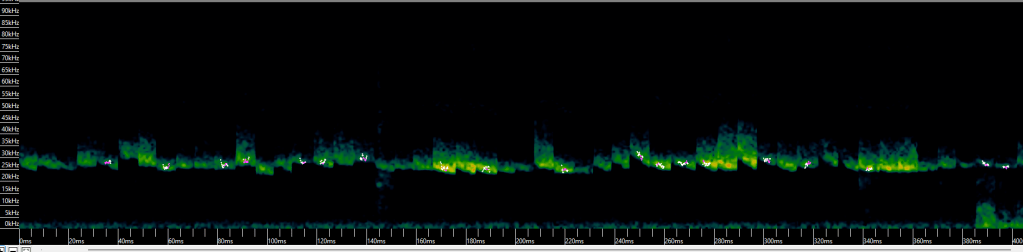
The Hoary Bat (Lasiurus cinereus) — known for low-frequency calls suited for open spaces.
- calls between 15-30kHz
- key identifier: calls produce an undulating pattern (wavy), as seen above.
- found more often in the park
Results
Analysis revealed clear differences in bat diversity and species composition between the two study sites.

Falaise Saint-Jacques
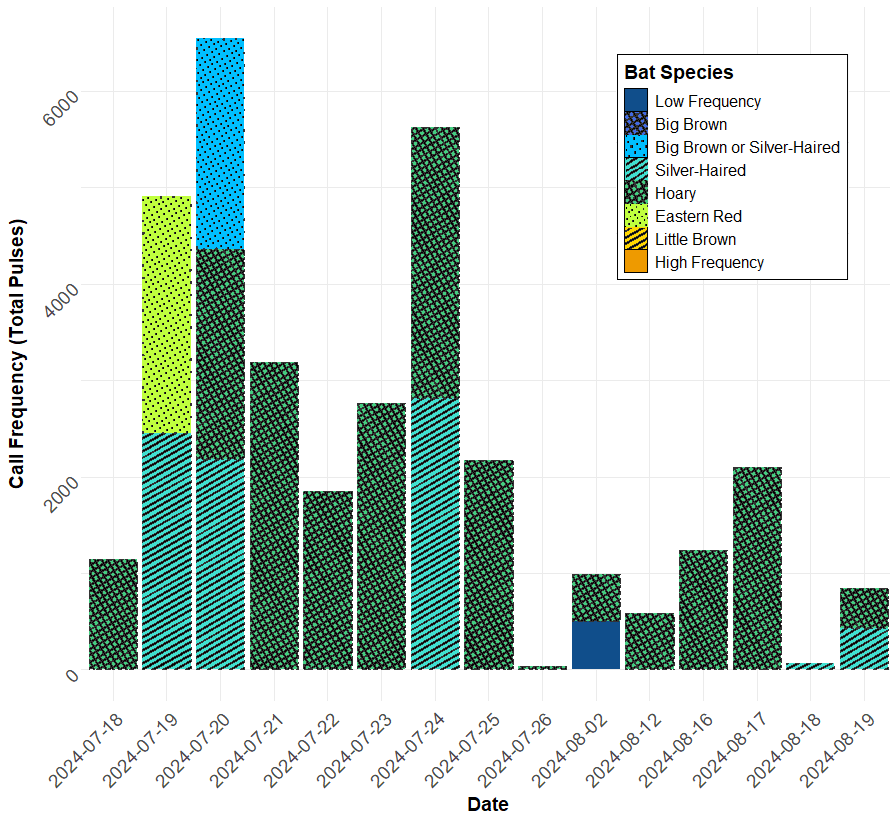
- The informal greenspace supported higher bat diversity, with a species richness of 5.
- This site showed a wider variety of bat species, suggesting that less-maintained environments may provide better foraging opportunities and shelter.
- Eptesicus fuscus (big brown bat) was the most frequently recorded species, reflecting its preference for semi-wild habitats with abundant cover.
- It was the only site that had any high-frequency calling bats, which are smaller, and often use gleaning to catch insects- catching insects off of surfaces rather than in-flight (SARA,2018)1.
Parc George-Saint-Pierre
- Lasiurus cinereus (hoary bat) was the most common species at this site, which aligns with its preference for open spaces.
- The formal park was dominated by a single species, resulting in a lower species richness of 3.
Discussion
The findings from this study reveal important insights into the relationship between habitat type and bat biodiversity in urban environments. While both sites supported bat activity, Falaise Saint-Jacques demonstrated greater species richness, suggesting that less-maintained greenspaces may offer key ecological benefits.
The Falaise Saint-Jacques is a narrow strip of forest-edge habitat, which limits its ability to function as a viable source habitat — an area capable of sustaining and growing a self-sufficient bat population. However, in a city where natural greenspaces are rare, even this small, rewilded space provides critical shelter, foraging opportunities, and connectivity for urban wildlife. Such environments can serve as valuable refuges for species that might otherwise struggle to find suitable habitat in urban settings.
Surprisingly, the informal wetland site within the Falaise Saint-Jacques showed higher overall bat activity than the formal urban park. The wetland’s diverse vegetation and nearby water source likely created better foraging conditions, attracting more insects — and in turn, more bats. However, differences in habitat structure and environmental conditions may have also played a role. The Falaise Saint-Jacques site is located farther from major roads and experiences less artificial lighting compared to the urban park, which could reduce noise interference and improve the ability to detect bat calls, as well as encouraged bat presence more generally. Conversely, the wetland site’s denser vegetation may have created more “clutter,” potentially making it harder to detect certain species with quieter or more directional calls, such as Myotis lucifugus (Little Brown Bat) or the Tri-colored Bat (Perimyotis subflavus), both of which are known for their faint and highly directional echolocation (Veselka, N. 2013 ; Humbolt State University Bat Lab, 2011). Therefore, due to the spatial configuration of The Falaise, this study could show an underrepresentation of high frequency bat presence.
The urban park, by contrast, experienced higher levels of human traffic and artificial lighting from streetlamps and floodlights, which may have deterred some bat species or affected their behavior. Species with louder, broader-ranging calls — such as the Big Brown Bat (Eptesicus fuscus) and Hoary Bat (Lasiurus cinereus) — may have been more readily detected in this environment, as these calls travel farther and are less susceptible to interference from ambient noise(Humbolt State University Bat Lab, 2011). Therefore, placement of the microphone in the park could have caused an underrepresentation of bat presence (ie placing the audiomoth in a quieter corner of the park could better represent bat presence, as some may not fly so close to the street).
The presence of endangered bat species in this study highlights the urgent need for conservation efforts. According to the Committee on the Status of Endangered Wildlife in Canada (COSEWIC), all bat species identified in this study— except the big brown bat (Eptesicus fuscus)— are listed as endangered due to population declines exceeding 50-80% in Quebec (COSEWIC, 2013; COSEWIC, 2023). Factors such as habitat loss and degradation, white-nose syndrome, wind turbine collisions, and global declines in insect abundance have all contributed to the decline of bat species (COSEWIC, 2023). However, many bat species are classified as data deficient under COSEWIC, meaning there is insufficient information to fully assess their population status. As such, all estimates in decline and status are just that— estimates. This data gap presents a significant challenge for conservation planning, reinforcing the value of studies that document species presence.
Little Brown (Myotis lucifugus) was identified a few times based on call sequences of 4-6 well-formed calls. While these detections align with Little Brown’s characteristic call patterns, they fall short of stricter thresholds for confirmed presence (6-10 well-formed calls), according to SonoBat (Szewczak, 2022). Consequently, Little Brown has been classified as a Probable Presence rather than a confirmed detection. Nonetheless, Little Brown’s known foraging habits — which include feeding over water, along waterways, forest edges, and in forest gaps — align with the habitat characteristics of the Falaise Saint-Jacques monitoring site, and it was for this reason, along with having been detected on multiple days that it was decided to keep this identification in the study. Despite being a probably presence, this nonetheless highlights the ecological importance of preserving sites like the Falaise Saint-Jacques.
Another important note is that call frequency is not a proxy for abundance. Some bat species simply call more frequently than others, and a single bat may pass the microphone multiple times, with each pass counting as a detection. This variability makes it important to interpret results carefully.
Check out the video below to hear one of our recordings of a hoary bat hunting insects!
Conclusion
The contrasting results between the two sites emphasize the importance of including sufficient diverse greenspaces in urban planning. The Falaise Saint-Jacques, with its dense vegetation and lesser extent of human intervention, provided a habitat that supported a richer variety of bat species, including those with specialized foraging needs. In contrast, Parc George-Saint-Pierre, a more structured park, showed lower species richness and was dominated by a single species.
While structured parks may be sufficient for generalist species, which can thrive in a range of environments, specialist species — those with more specific habitat and foraging requirements — require the availability of more diverse greenspaces. Wilder areas like the Falaise are crucial for supporting these species by providing the complexity, cover, and food resources they depend on.
Although the Falaise may not function as a source habitat, its role as an ecological corridor in an otherwise urbanized environment should not be overlooked. While formal parks are valuable for recreation, and community engagement, wilder areas may be equally important for sustaining biodiversity. By providing critical foraging space, shelter, and connectivity, the Falaise helps sustain biodiversity within Montreal’s fragmented landscape.
To support bat populations and the essential ecosystem services they provide — such as insect control and pollination — urban conservation strategies should prioritize preserving and enhancing these naturalized environments. By doing so, cities can play a meaningful role in safeguarding vulnerable bat species and promoting healthier, more resilient ecosystems.
Future Directions
Future studies could improve upon this work by standardizing the height of recording devices, improving microphone placement to reduce interference from street noise and human traffic, and sampling both before and after the bat mating season to track population changes. Expanding the study to additional sites would also help determine whether the observed pattern is consistent and can be applied more broadly to all informal greenspaces, or if it is an isolated trend. Exploring species-specific differences in call rates could also provide valuable insights into potential biases in passive acoustic monitoring.
By tuning in to the sounds of the night, we can learn how to better support the creatures that help keep our ecosystems in balance.
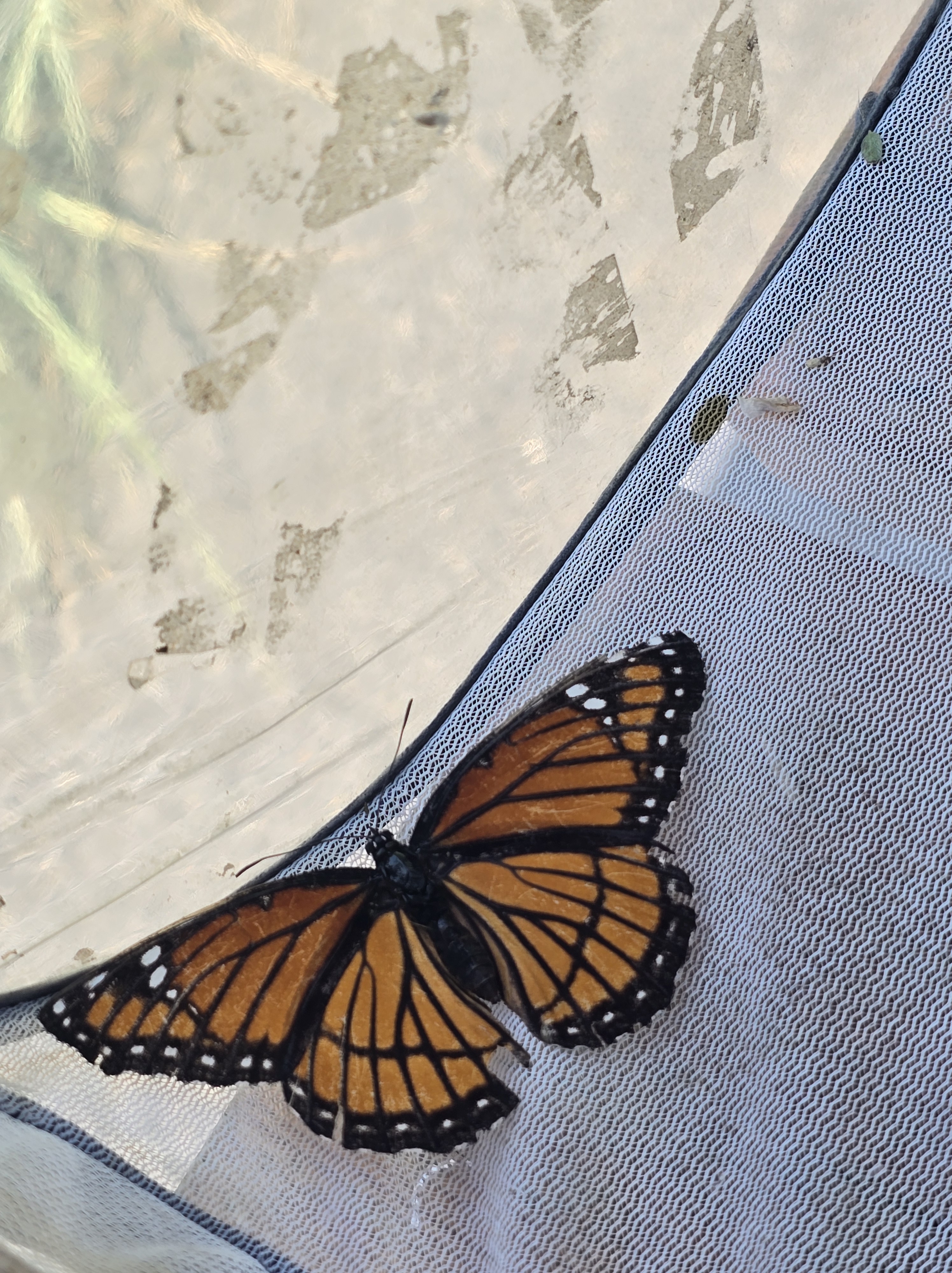
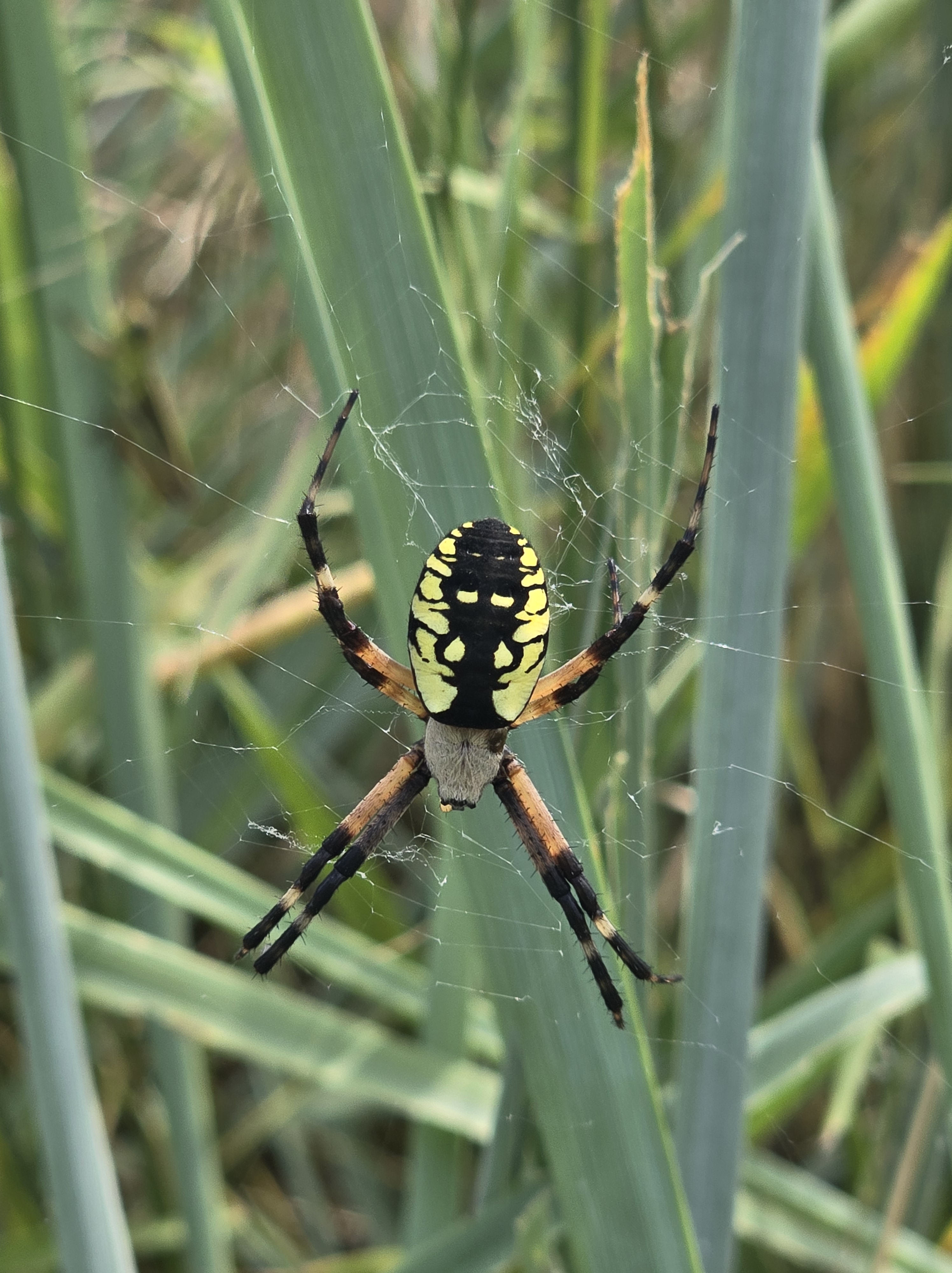
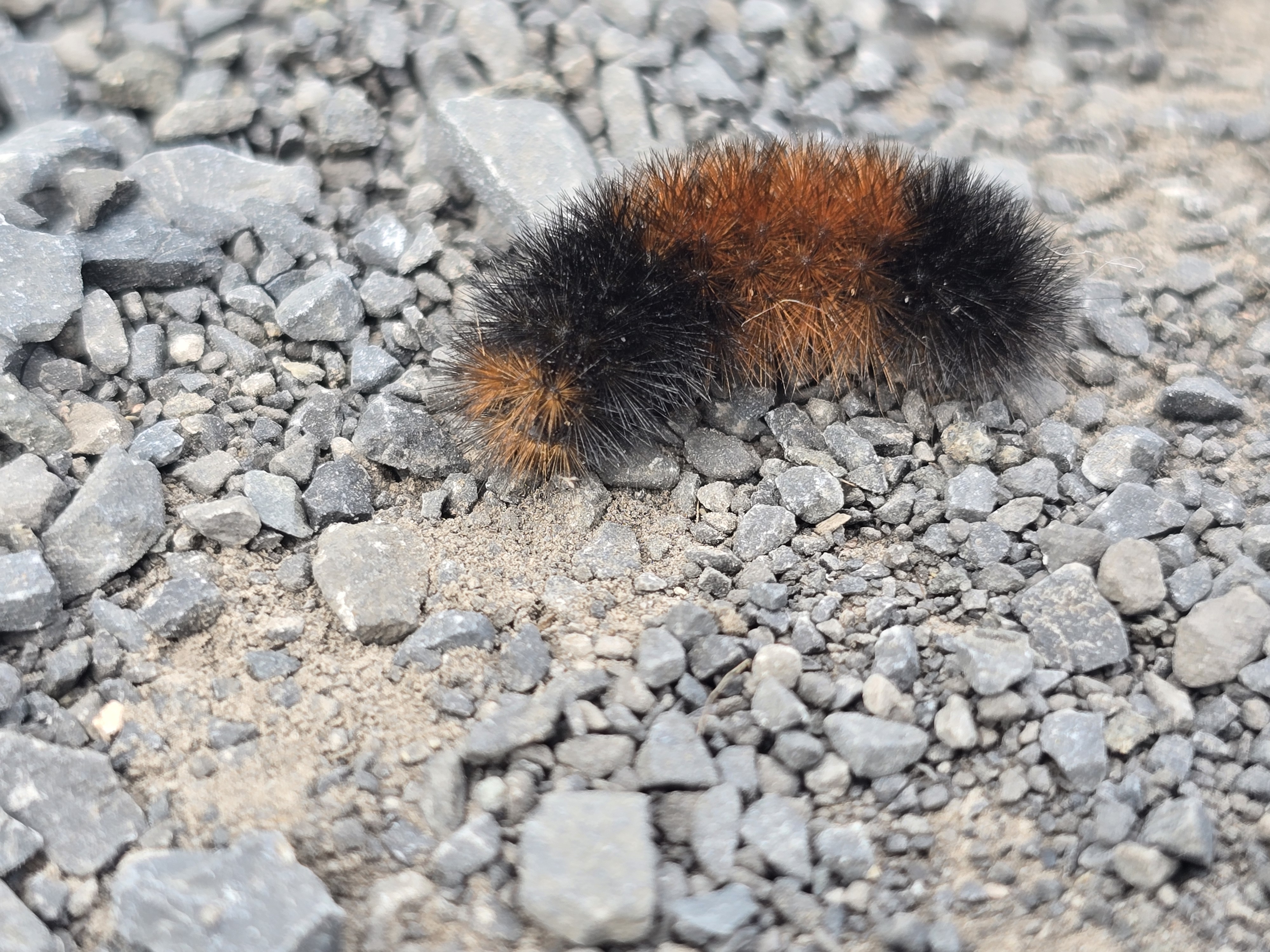
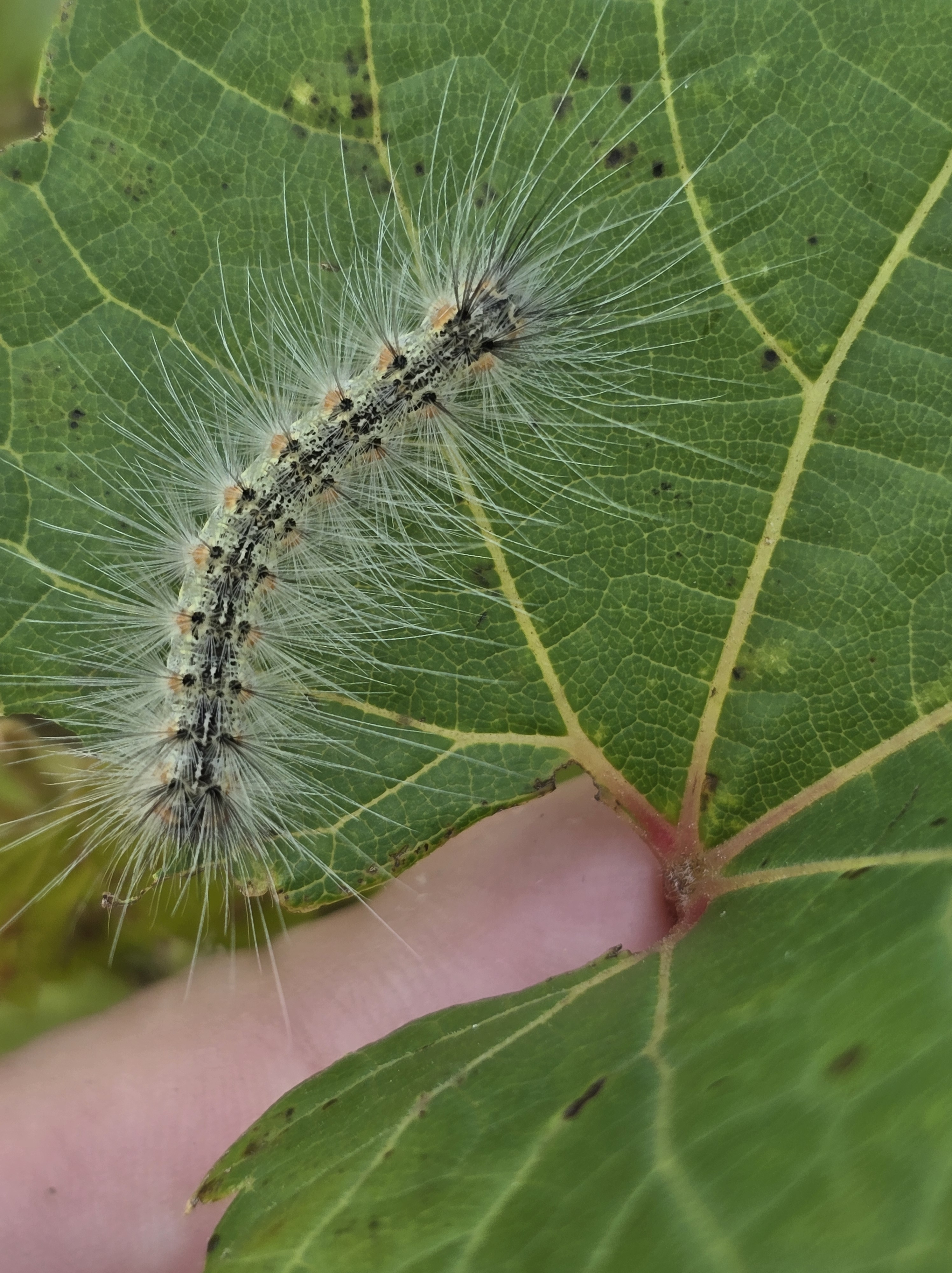
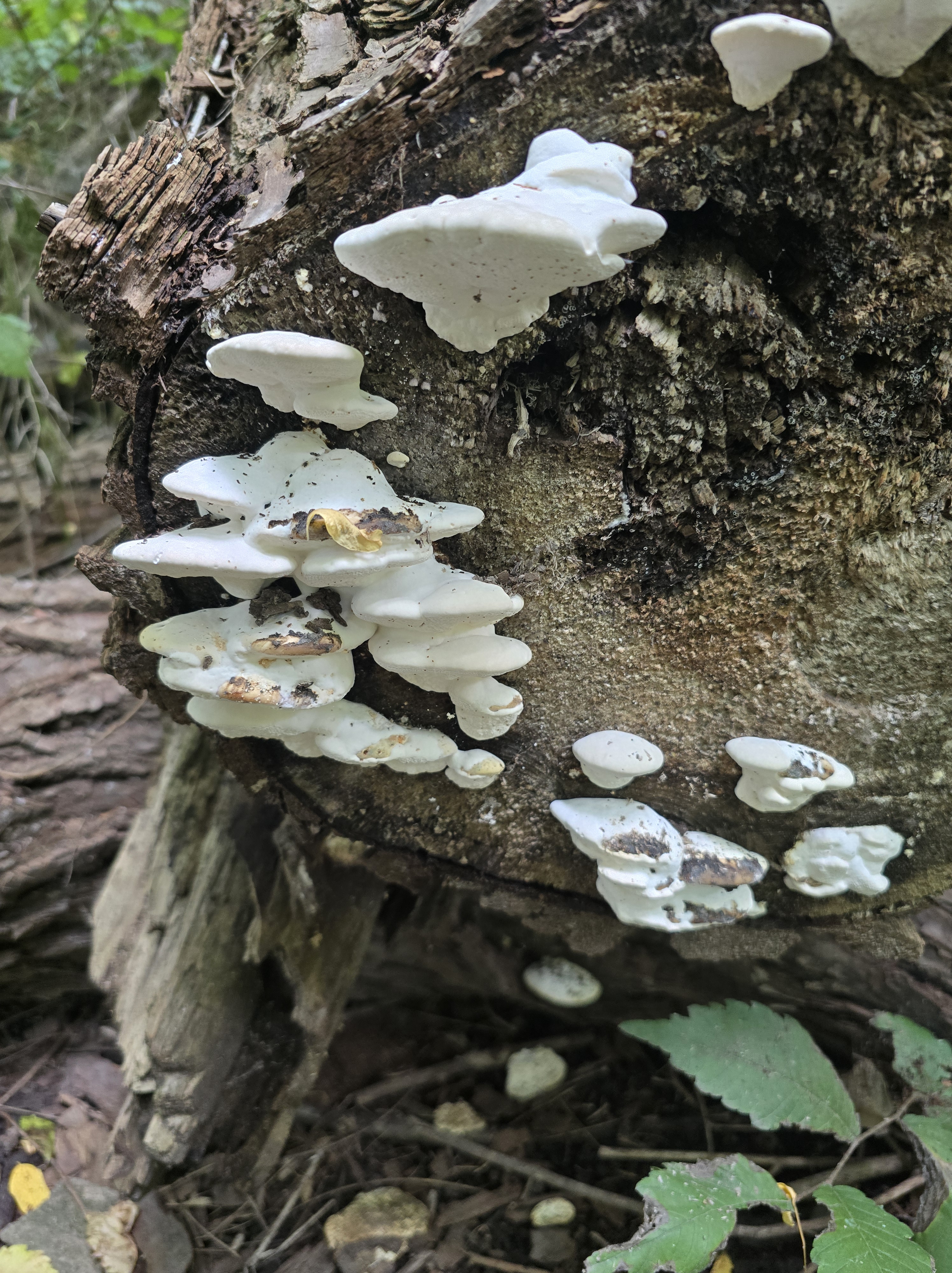
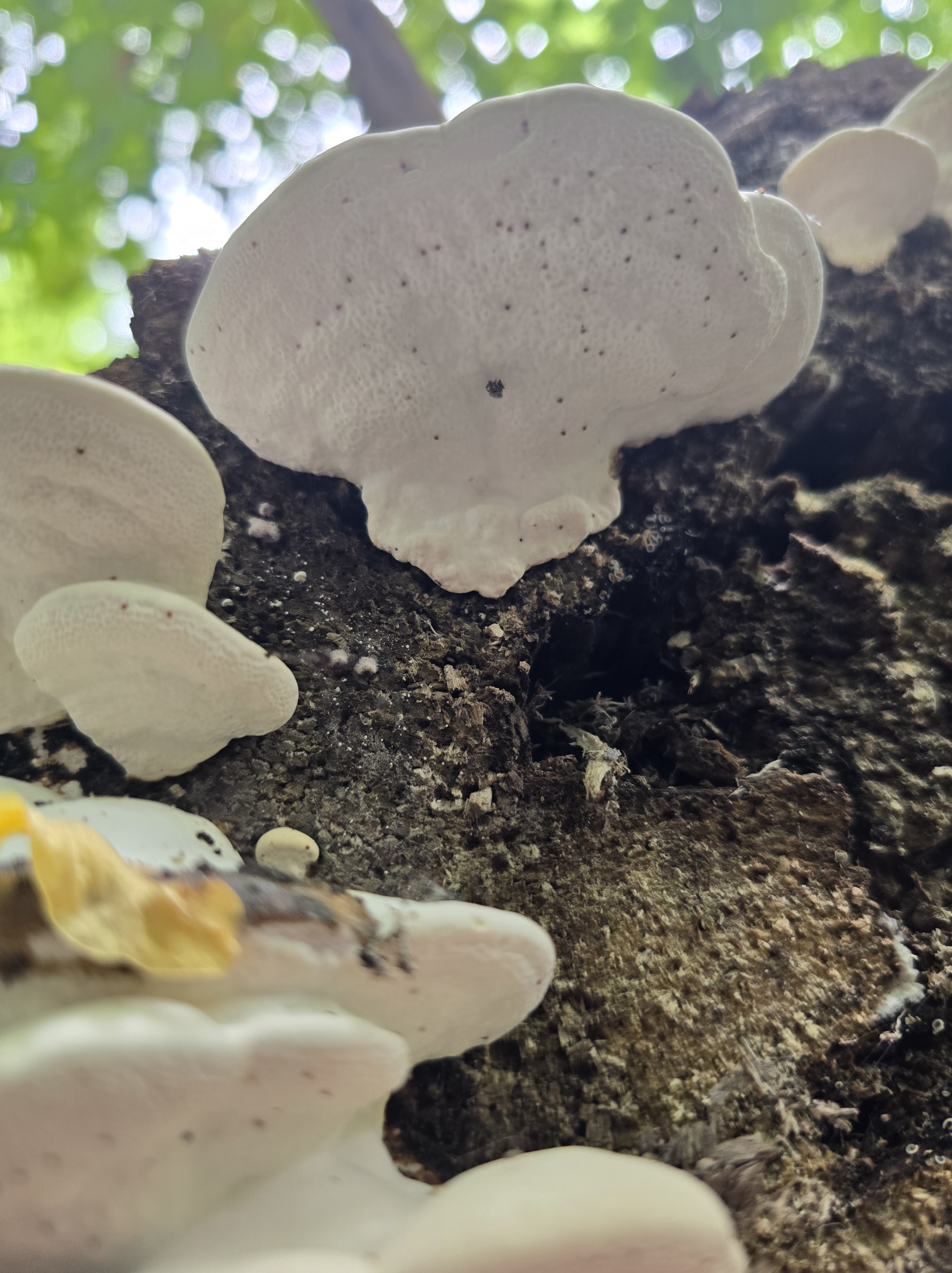
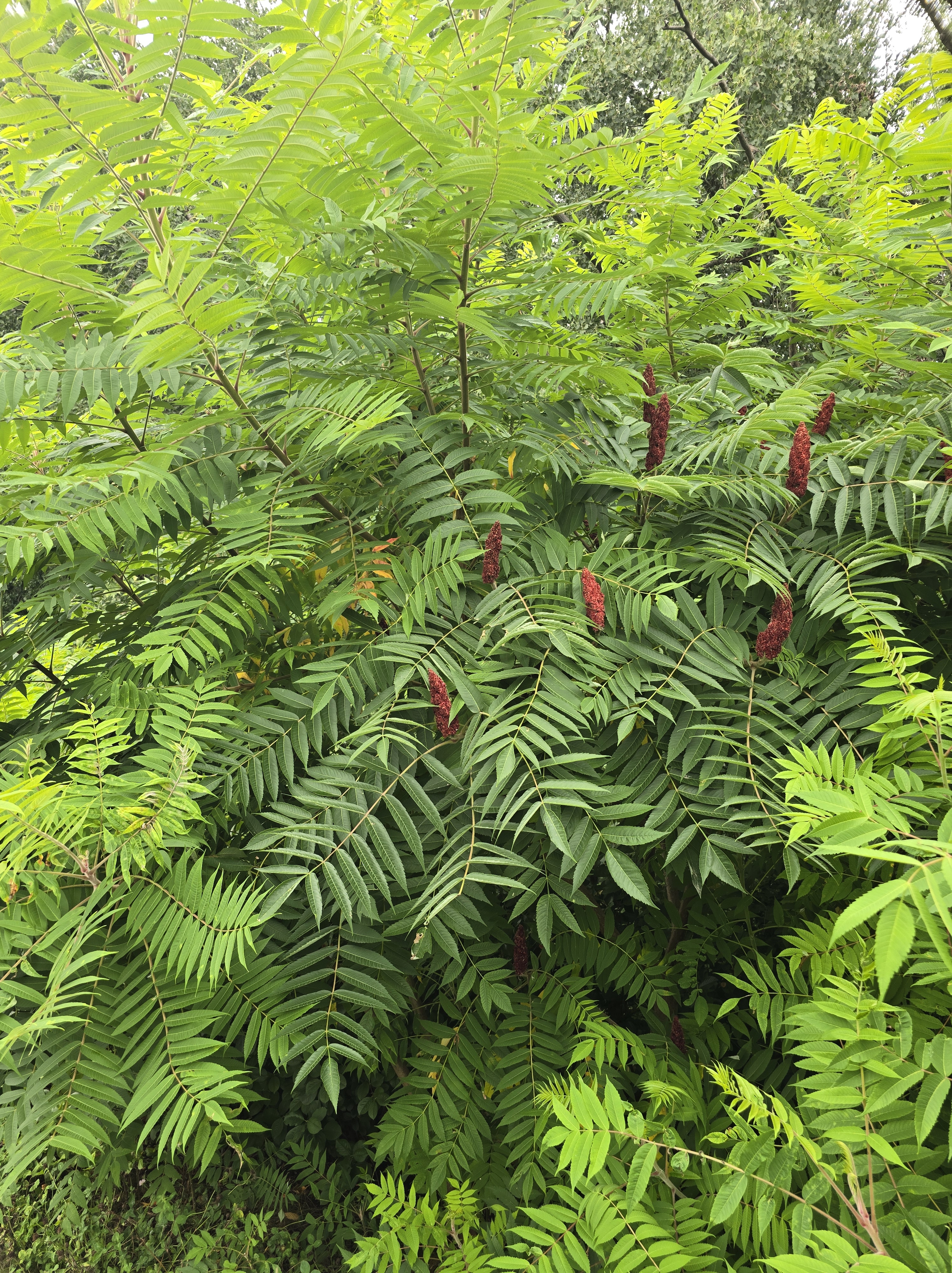
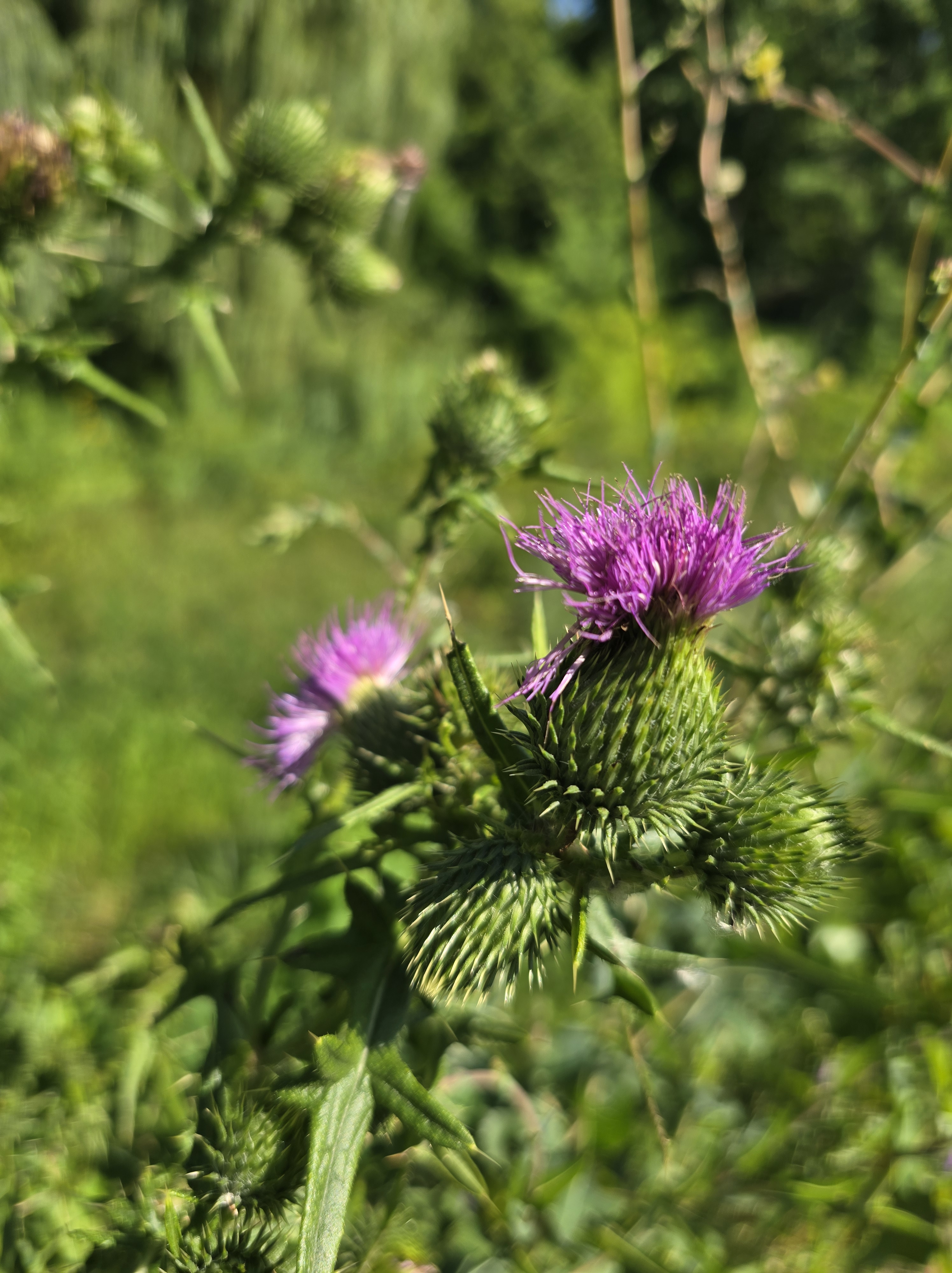
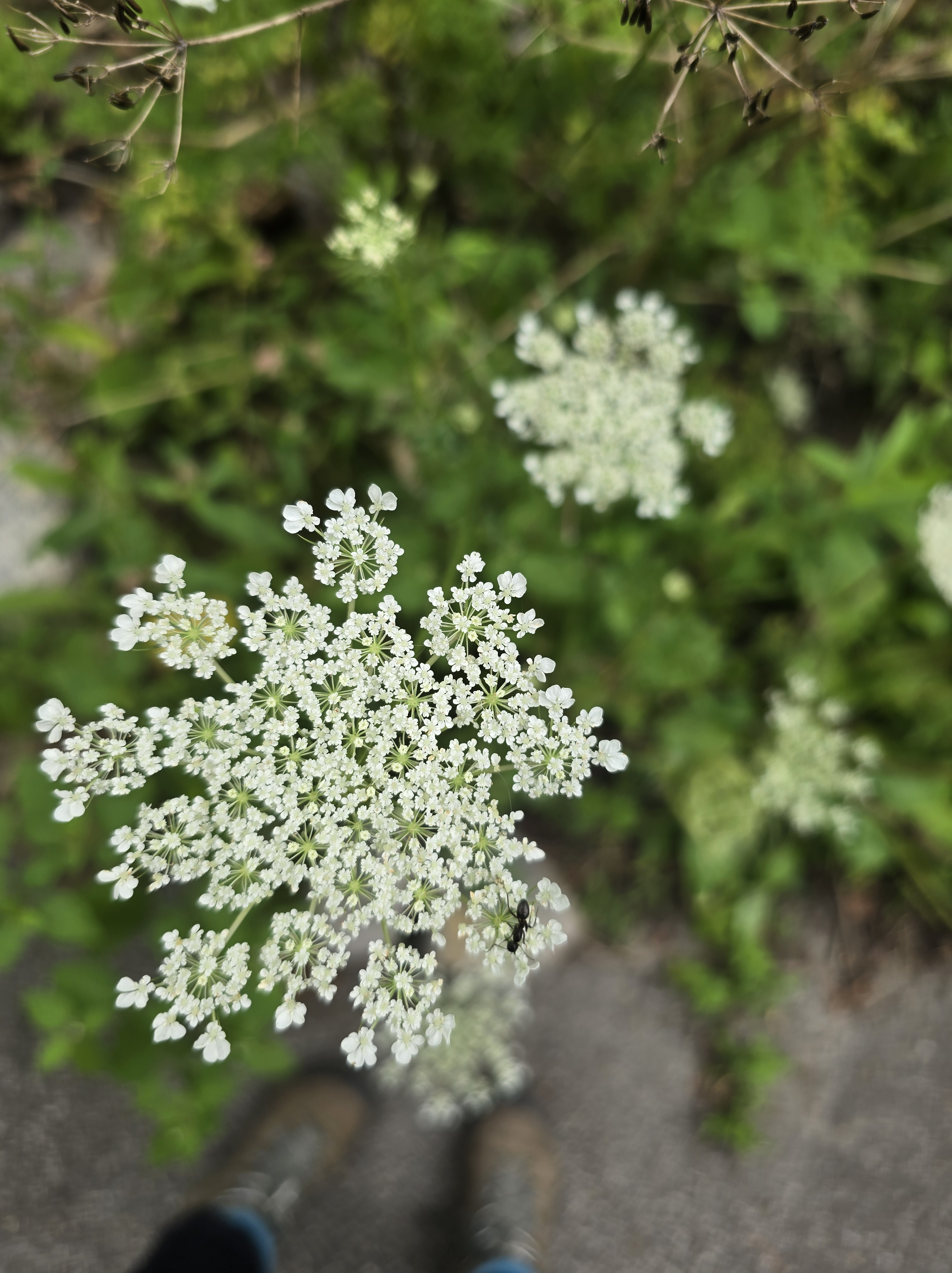
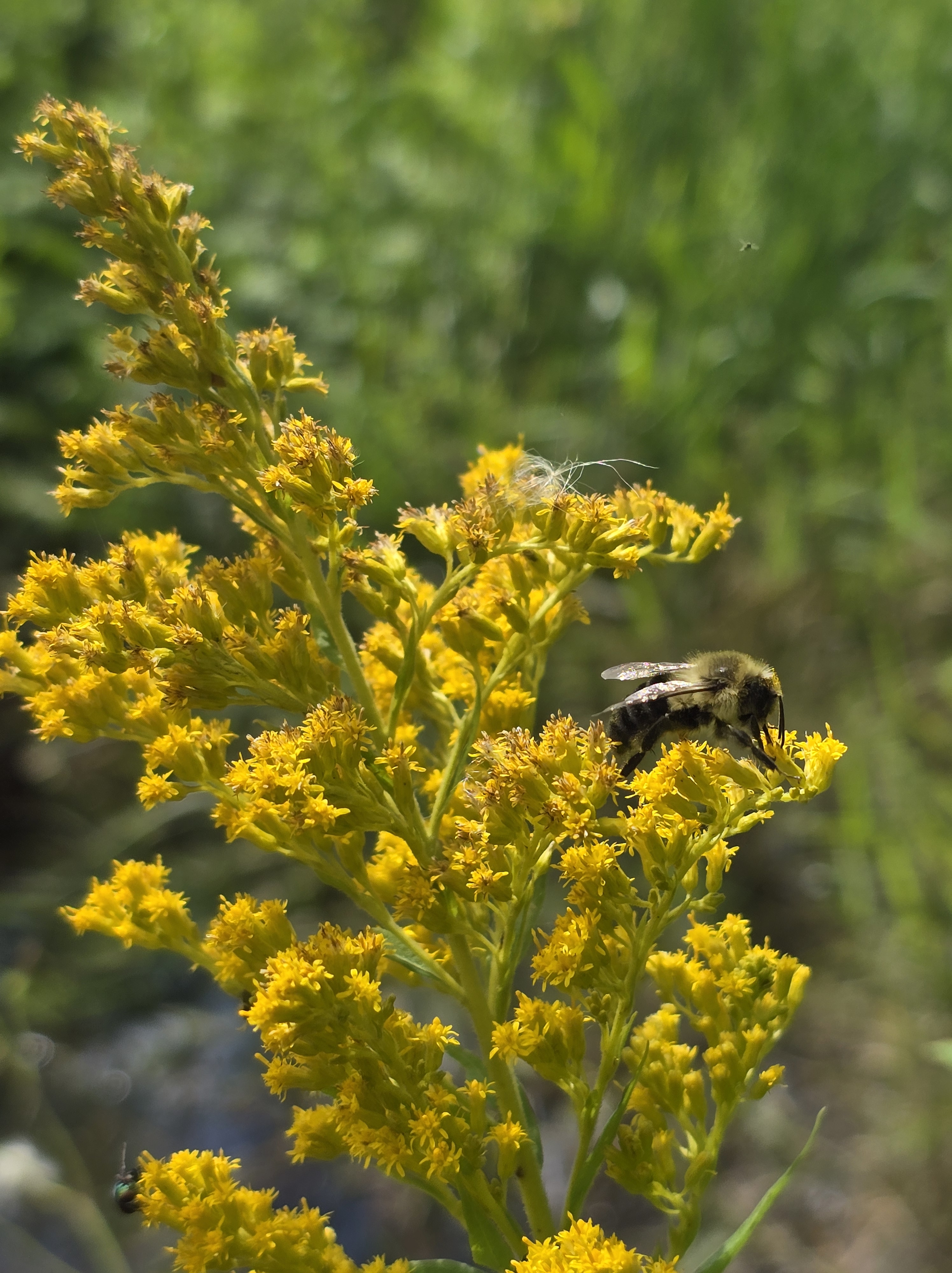
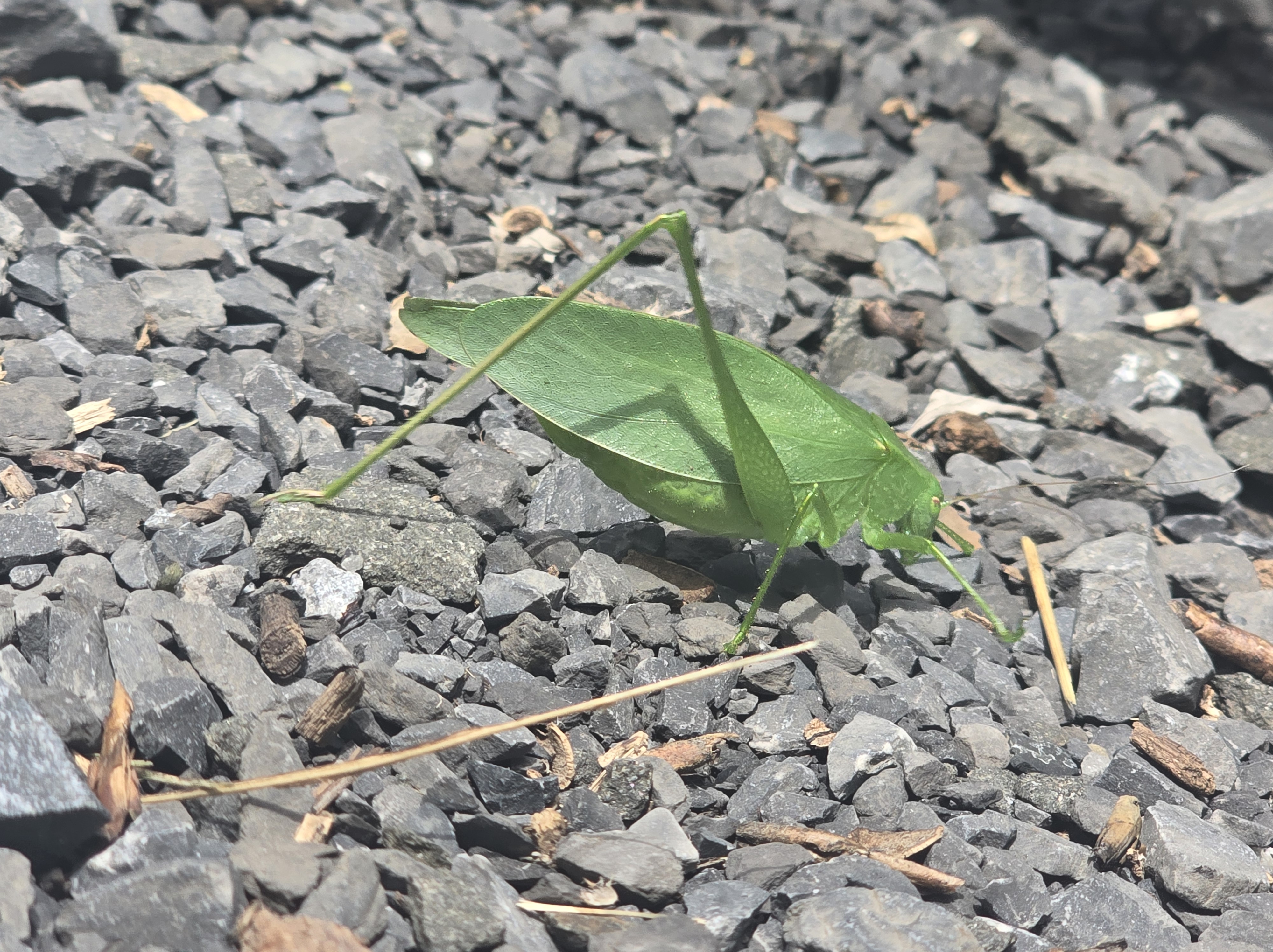
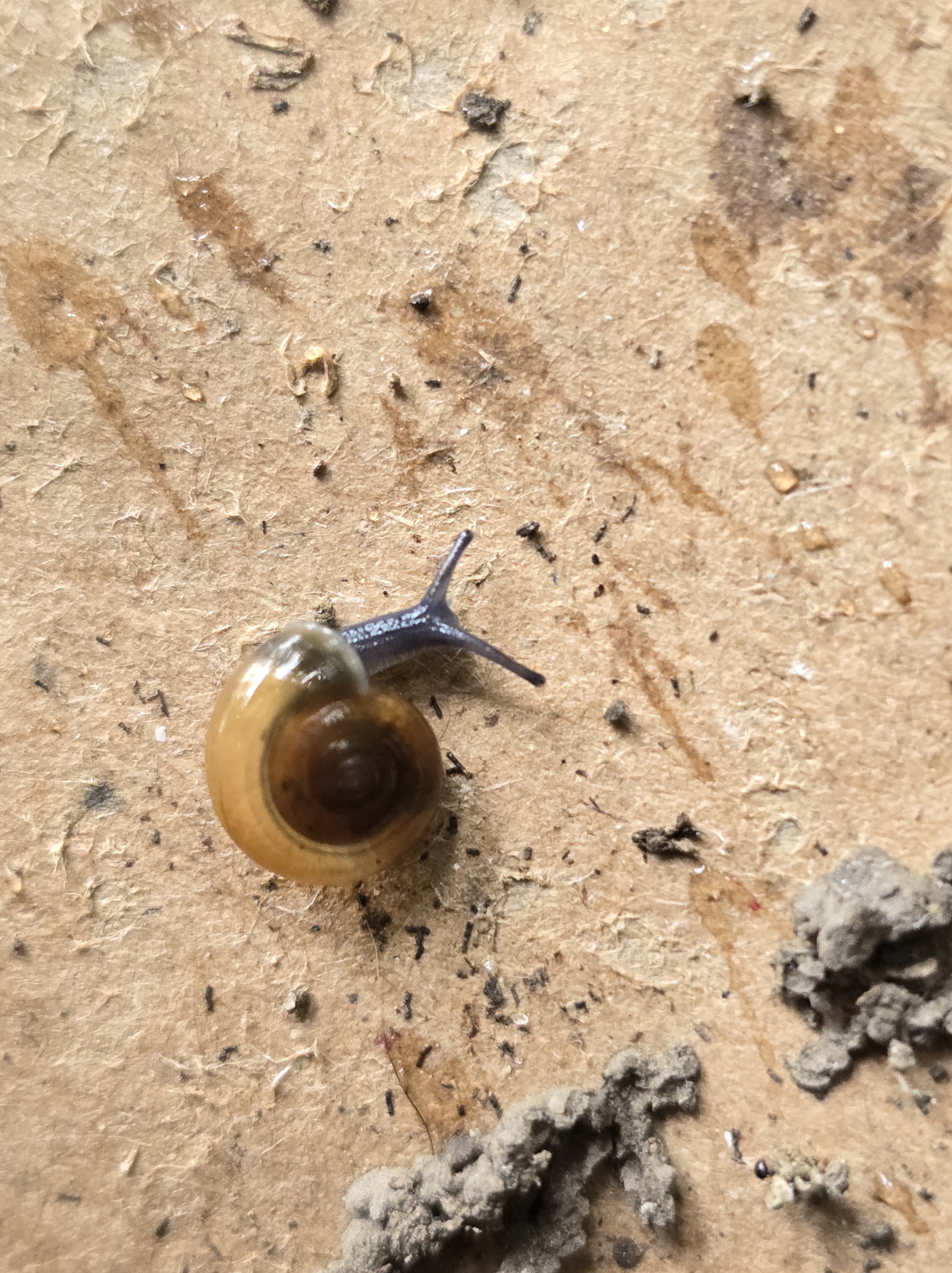
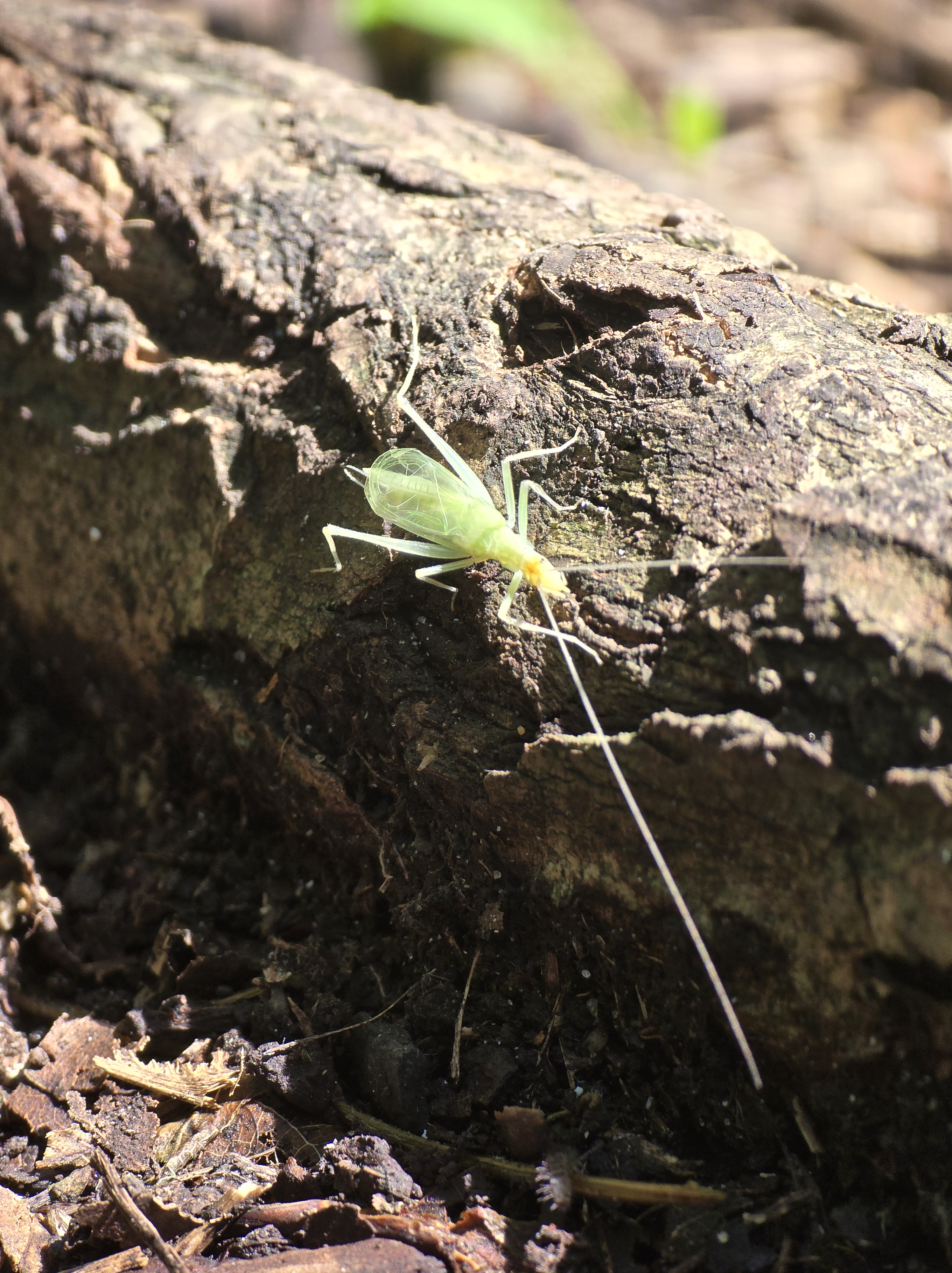
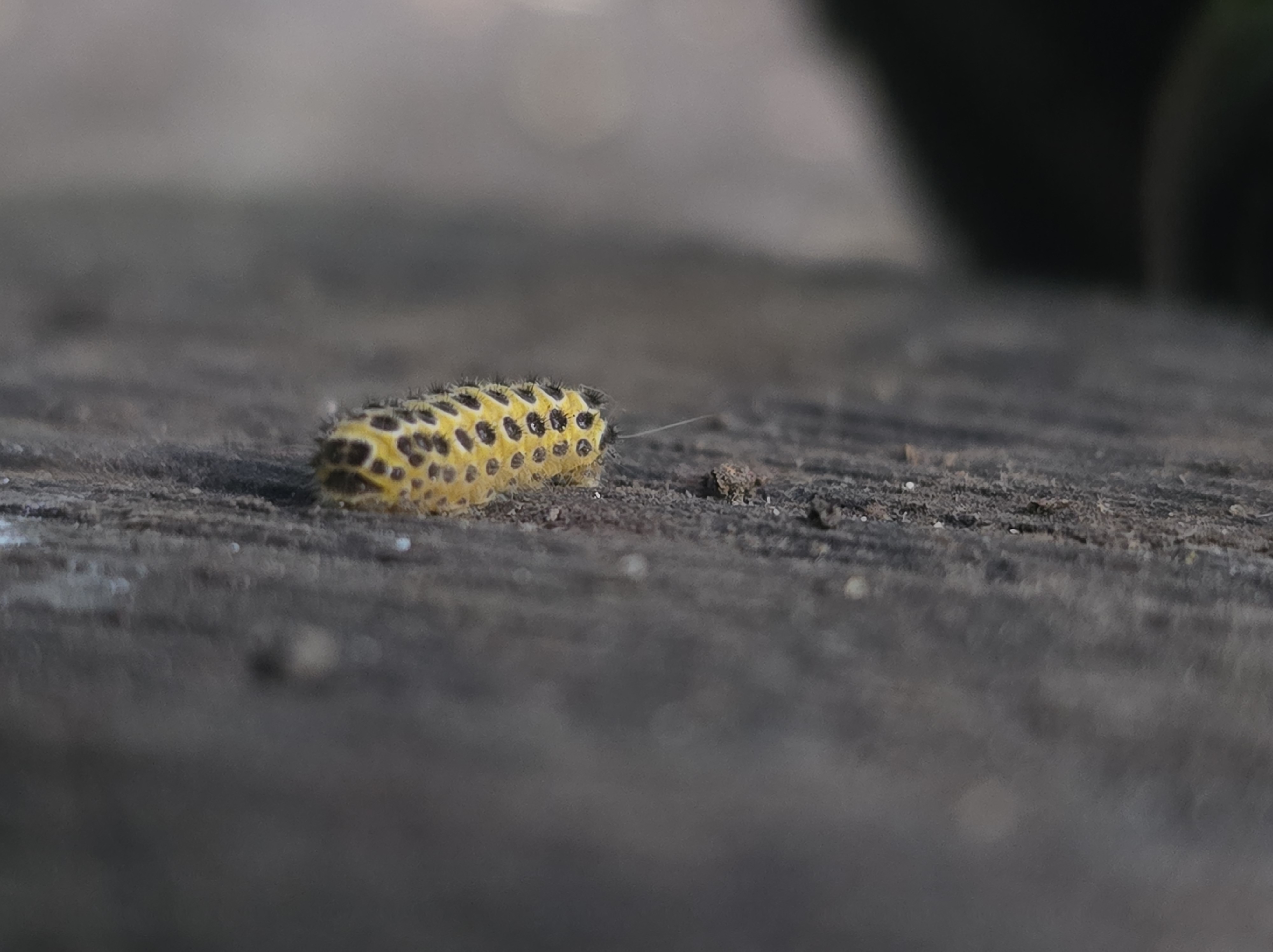
Want to explore The Falaise a little more?
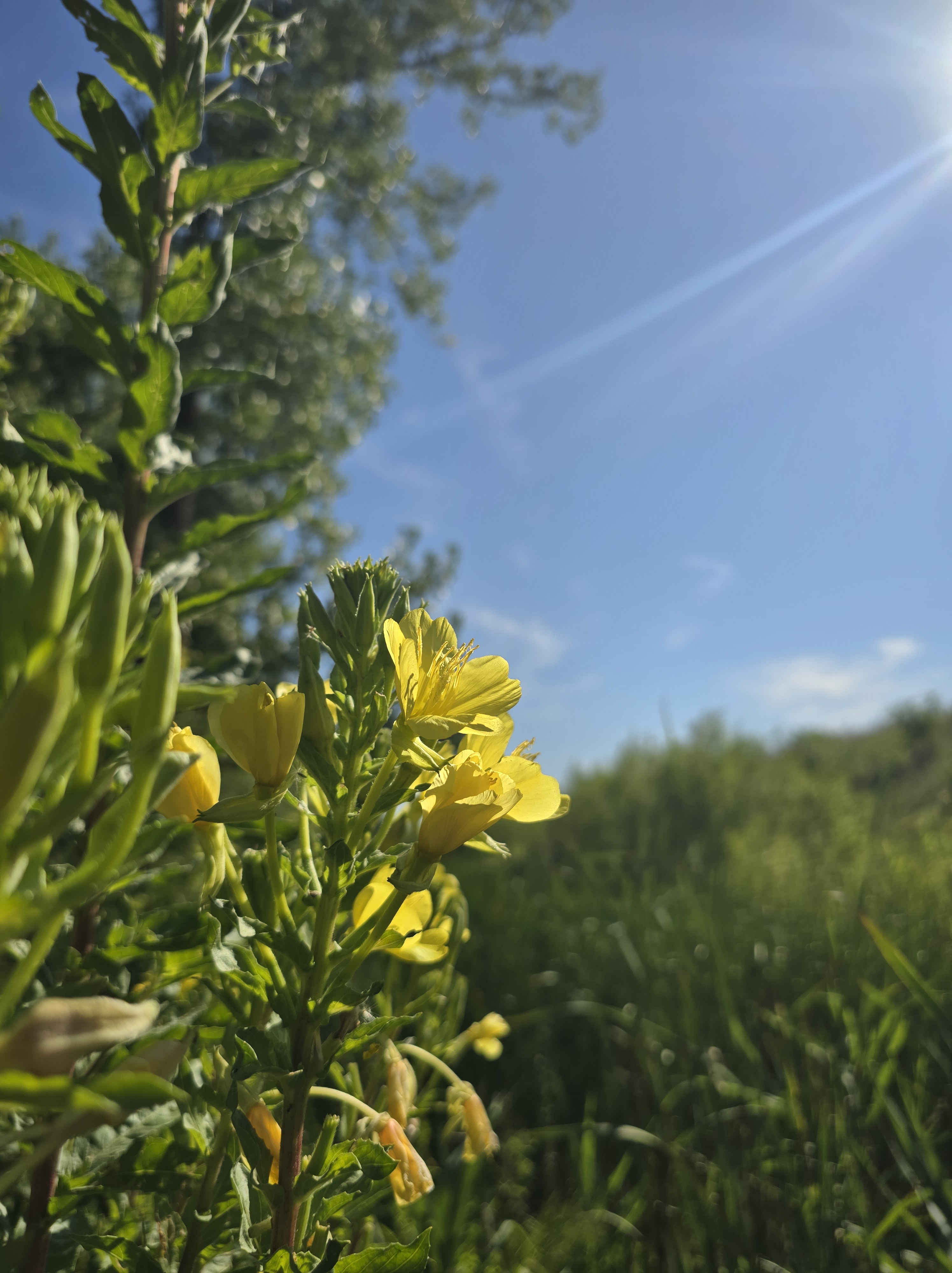
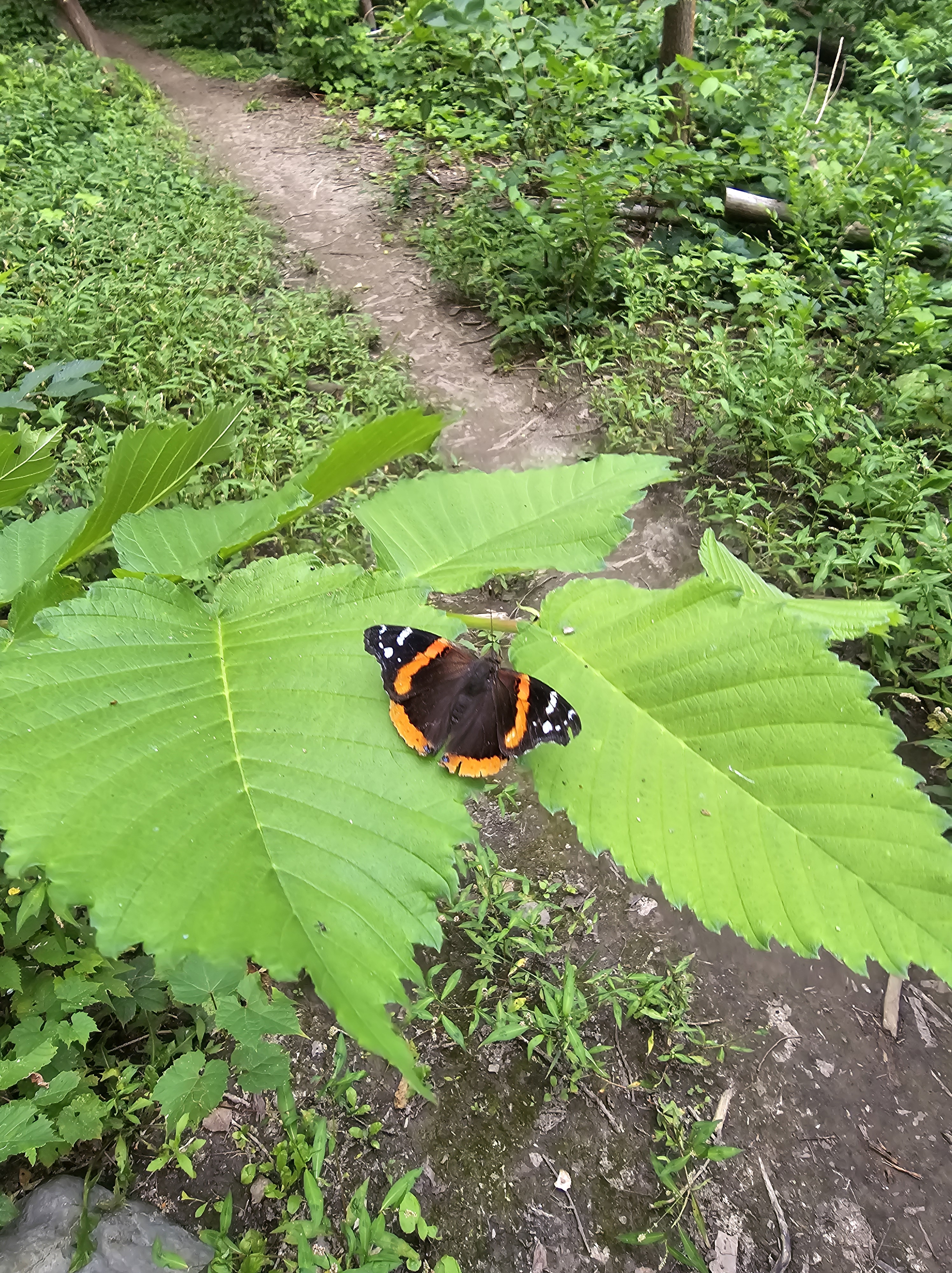
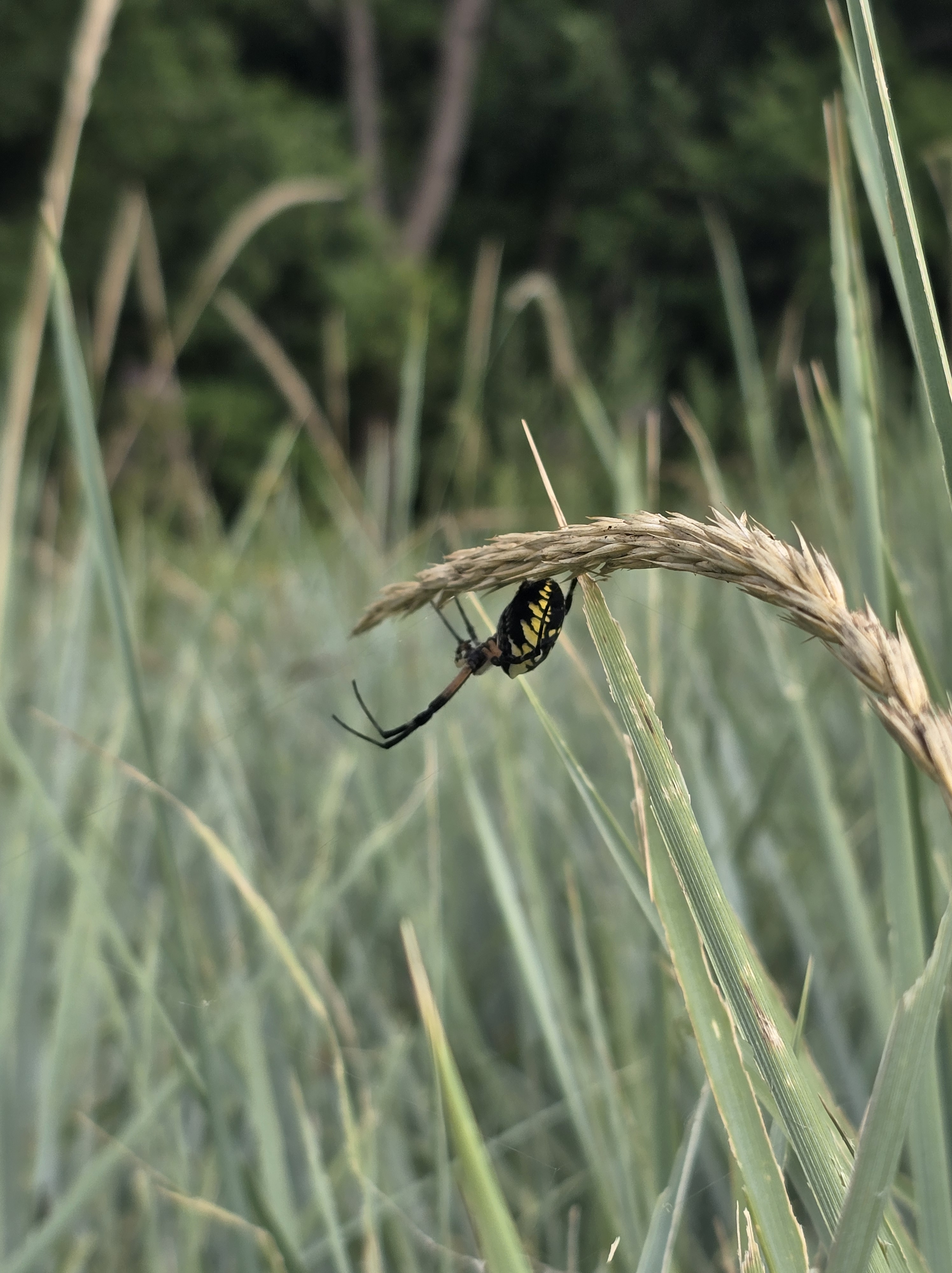
Check out some of the other species we came across below!










Special thanks to:



 Amanda Gregoire